
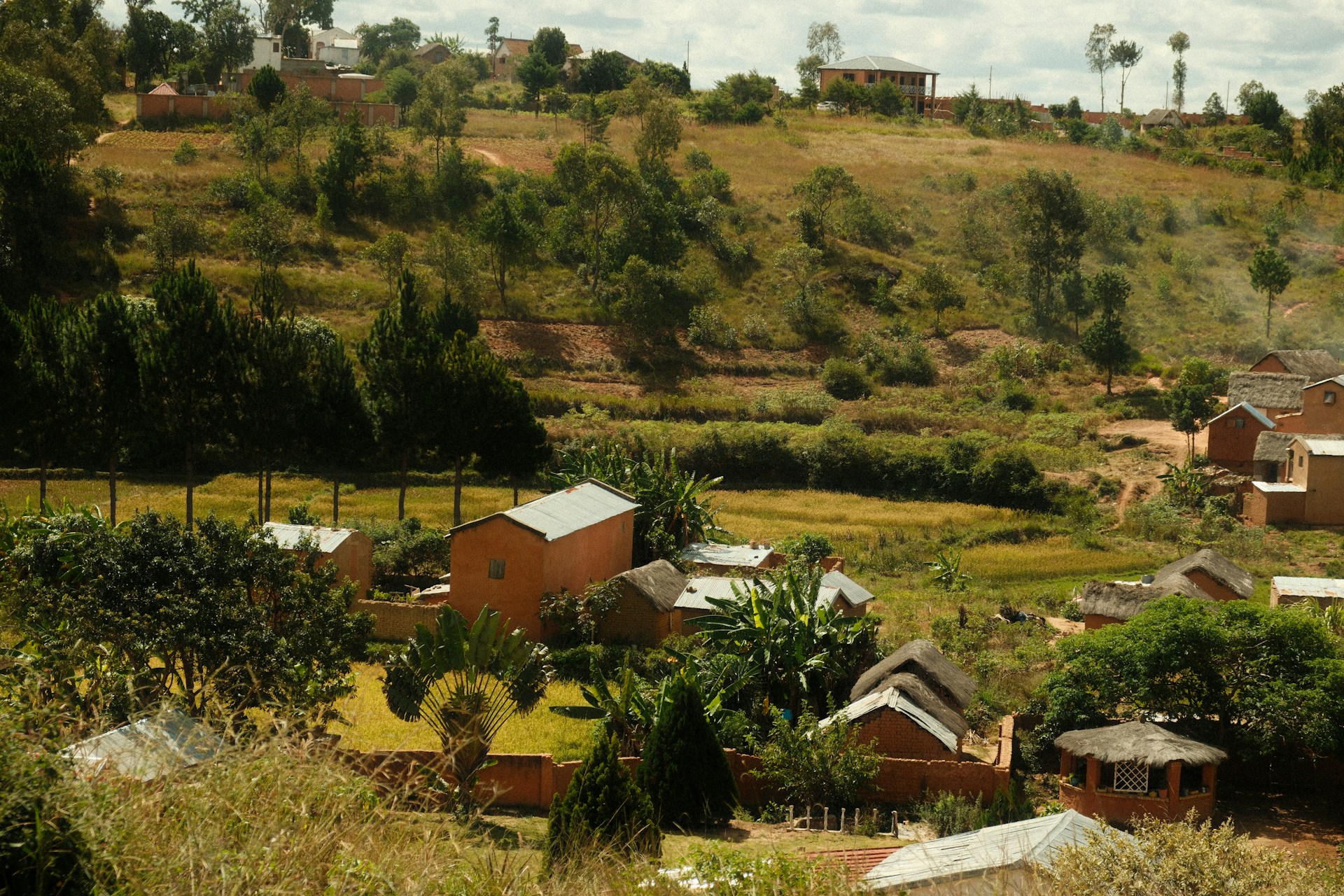
In many underserved communities, healthcare challenges are a daily reality. Lack of healthcare access, poor infrastructure, and limited resources often create barriers that keep families from getting the care they need. MEDLIFE is working to change that by bringing solutions directly to the people who need them most.
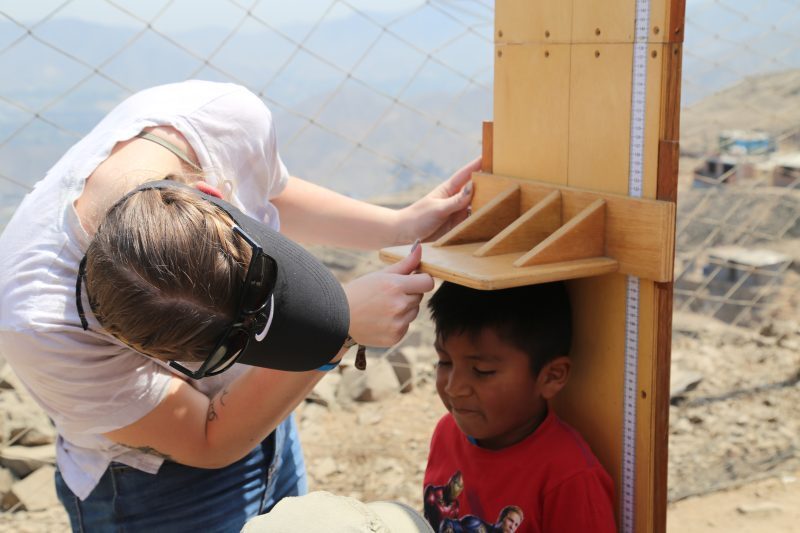
Lack of Access to Doctors in Underserved Communities
One of the biggest issues facing underserved communities is the shortage of healthcare professionals. In rural or low-income areas, there are often not enough doctors or specialists to serve everyone. Long wait times, travel distances, and costs make it even harder for people to see a provider when they need help. Unlike short-term medical missions, MEDLIFE’s mobile clinics are designed for long-term impact. For example, MEDLIFE's model emphasizes building relationships with local patients, consistent follow-up, and empowering communities through health education. Patients aren’t just seen once. They are tracked over time and connected with resources or referred to specialists when needed. This ongoing presence ensures people don’t fall through the cracks and actually get the care they need. Clinics also partner with local leaders and health authorities to maximize results and build trust in each community.
Learn how MEDLIFE’s mobile clinics bring doctors directly to families in need.
Poor Infrastructure and Healthcare Access
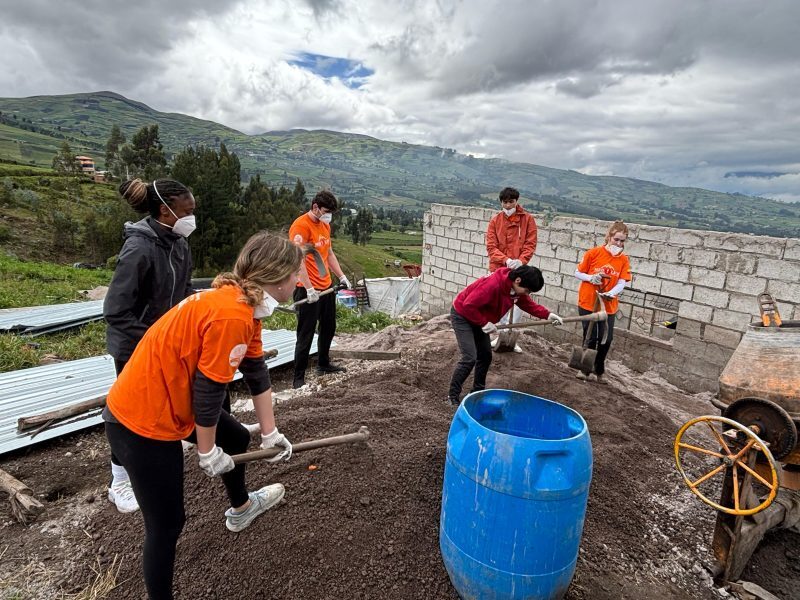
Many underserved communities also struggle with poor infrastructure. For example, in some rural areas, families must walk hours just to reach the nearest health post. During the rainy season, roads often become impassable, making it impossible for mobile clinics or ambulances to reach those in need. Some clinics operate without reliable electricity, which can affect everything from storing vaccines to performing basic medical tests. There are communities that do not have access to clean water, so even basic hygiene and infection prevention become challenges. In some places, medical equipment is outdated or broken, limiting the services providers can offer. MEDLIFE’s infrastructure projects, like building staircases in Lima or partnering with local leaders to improve clinic facilities, are designed to help overcome these obstacles and make healthcare access safer and more consistent for everyone.
Limited Resources and Ongoing Healthcare Challenges
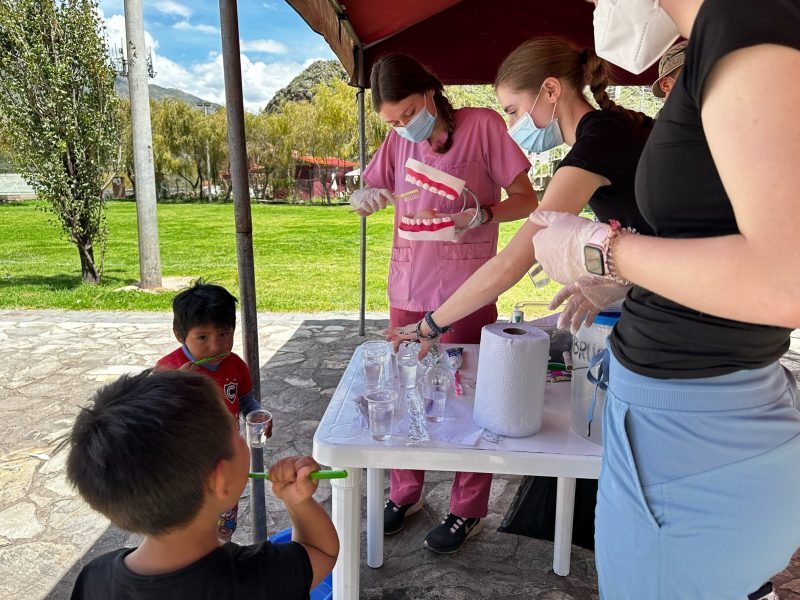
Another common problem is the limited availability of resources such as medications, supplies, and diagnostic tools. Without these essentials, healthcare providers cannot offer comprehensive care, leading to undiagnosed conditions or untreated illnesses. For example, in some communities, clinics might run out of basic antibiotics or pain relievers, leaving common infections untreated. Pregnant women may lack access to prenatal vitamins or safe delivery kits. Sometimes, there are not enough diagnostic tools like blood pressure cuffs or pregnancy tests, so serious health issues go unnoticed until they become emergencies. MEDLIFE works to fill these gaps by delivering essential medications and supplies through each mobile clinic visit. Beyond immediate care, MEDLIFE teams provide health education, teaching families how to use the medications or resources they receive. After every clinic, patient follow-up ensures that people continue to get the support and treatment they need. By tracking patients over time, MEDLIFE helps prevent chronic conditions from worsening and ensures people receive specialist referrals when necessary. This ongoing support helps ensure patients don’t fall through the cracks and get the care they deserve.
See how MEDLIFE’s patient follow-up program supports ongoing care.
MEDLIFE’s Approach: Tackling Healthcare Challenges in Underserved Communities
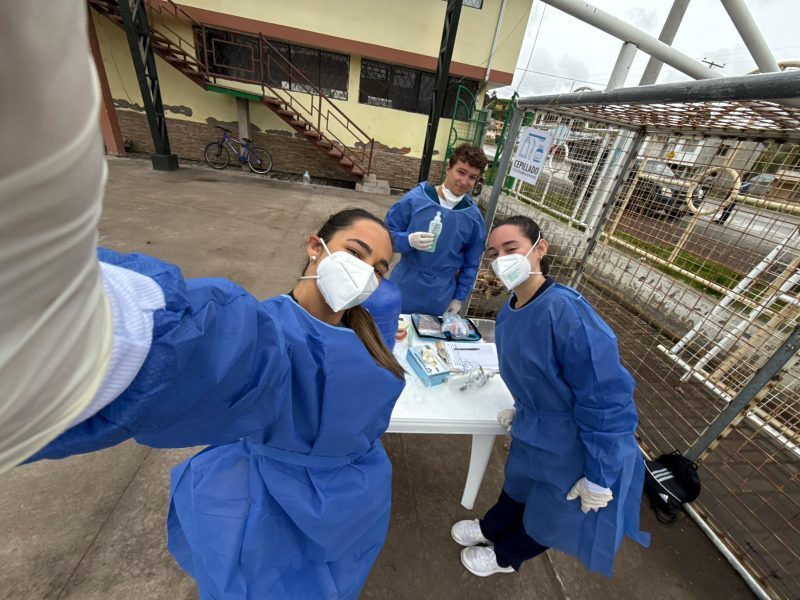
MEDLIFE uses a holistic approach to break down these barriers. The organization combines mobile clinics, infrastructure projects, and health education to address the unique challenges faced by each community. Mobile clinics are staffed by both international volunteers and local healthcare professionals, who work together to deliver primary care, dental services, and preventive screenings right in the neighborhoods where people live. Infrastructure projects include building staircases in hillside communities, providing clean water to neighborhoods that lack it, and building safe homes for families facing unsafe living conditions so families can reach health posts safely, as well as improving access to clean water and updating rural clinics with basic equipment. Health education is another key part of this approach. MEDLIFE staff and volunteers lead workshops on topics like nutrition, hygiene, and chronic disease prevention, ensuring families are empowered with practical knowledge to protect their health. By partnering with local leaders, MEDLIFE helps communities create sustainable change and fosters trust that leads to ongoing collaboration. Volunteers and local staff provide medical care, build safe infrastructure, and empower families with health education.
Discover how service learning trips empower both students and communities.
MEDLIFE - Transformative Travel Experiences
Are you ready to help address healthcare challenges in underserved communities? Download our brochure to learn how you can join a Service Learning Trip and be part of the solution.
For less than one coffee a month, you can help expand healthcare access. Become a monthly donor and support MEDLIFE’s mission to improve health in the world’s most vulnerable areas.