

If you're planning to join a volunteer trip abroad, one of the main things you should be doing to prepare is learning some key phrases in the local language. Not only will this help you communicate more effectively with the people you’re serving, but it will also enhance your experience and help you feel more connected to the communities you'll be working with. But which languages are the easiest to learn in a short amount of time? Let’s look at some of the easiest languages to learn for English speakers and provide some tips for getting started.
1. French
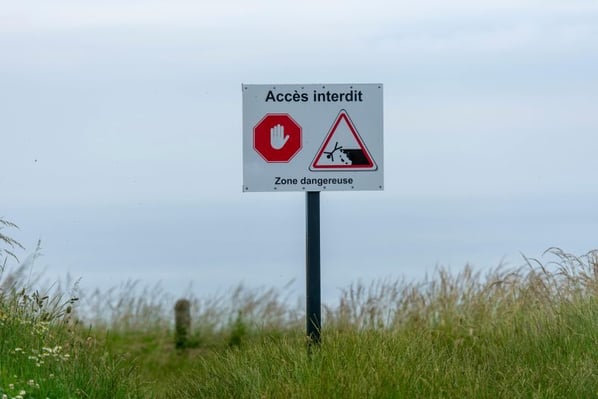
If you’re planning on volunteering in countries like West Africa or parts of the Caribbean, French may be an easier language for you to pick up. It shares a lot of similarities with English, especially in terms of vocabulary, making it an accessible language for English speakers. Also, French is a widely spoken language with various online resources, apps, and classes that cater to beginners.
Some useful French phrases for a volunteer setting are:
-
Bonjour, comment ça va ? (Hello, how’s it going?)
-
Où est le médecin ? (Where is the doctor?)
-
Je suis ici pour aider (I’m here to help)
-
Merci beaucoup (Thank you very much)
2. Italian
Italian is another language that ranks as one of the easiest languages to learn for English speakers. It has simple, predictable grammar rules, and it is closely related to other Romance languages like Spanish, French, and Portuguese, which makes it easy for students who may already have some knowledge of another Romance language. Italian is a beautiful language with a lot of helpful resources available, and it’s great for volunteers traveling to Italy or other parts of the world where Italian is spoken.
Common Italian phrases you might need while volunteering:
-
Ciao, come stai? (Hi, how are you?)
-
Dove si trova il medico? (Where is the doctor?)
-
Posso aiutarti? (Can I help you?)
-
Grazie mille (Thank you very much)

3. Portuguese
If you’re volunteering in Brazil or Portuguese-speaking African countries like Mozambique, Portuguese can be a relatively easy language to pick up, especially if you have any prior knowledge of Spanish. The grammatical structures are similar, and many words are quite easy to guess due to their shared Latin roots with other Romance languages. Portuguese also has lots of online learning tools and apps to help you practice.
Useful Portuguese phrases include:
-
Olá, como vai? (Hello, how are you?)
-
Onde está o médico? (Where is the doctor?)
-
Precisa de ajuda? (Do you need help?)
-
Muito obrigado (Thank you very much)
4. Spanish
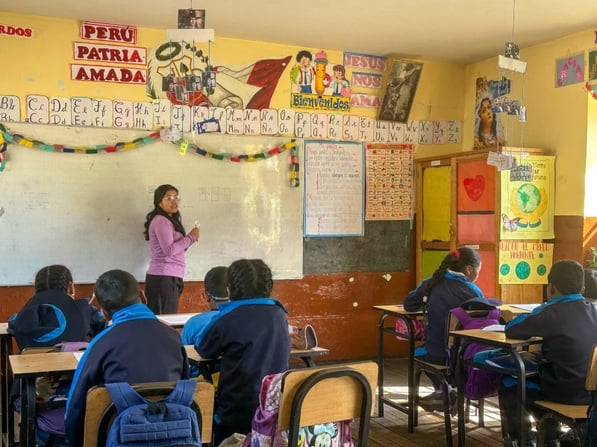
For many native English speakers, Spanish is one of the easiest languages to learn. It can be especially helpful to learn if you’re traveling to countries in Latin America or Central America, where many MEDLIFE Service Learning Trips take place. Spanish is a phonetic language, which means words are pronounced exactly how they’re written, making it easier for beginners to pick up. The grammar is straightforward compared to some other languages, and there are many resources available to learn Spanish online, through apps, or with in-person classes.
In terms of SLT settings, learning Spanish can make a huge difference when working with local communities. Many patients, healthcare workers, and community members may speak limited English, and knowing Spanish can help you connect on a deeper level.
Some essential Spanish phrases for MEDLIFE volunteer work include:
-
Hola, ¿cómo estás? (Hello, how are you?)
-
¿Dónde está el baño? (Where is the bathroom?)
-
¿Puedo ayudarte? (Can I help you?)
-
¿Cómo se dice esto en español? (How do you say this in Spanish?)
-
Gracias (Thank you)
-
Por favor (Please)
Why Spanish is Essential for MEDLIFE SLTs
Since many of MEDLIFE’s SLTs take place in Spanish-speaking countries like Peru, Ecuador, Guatemala, and Costa Rica, learning some Spanish will go a long way in making your trip more effective and enjoyable. You don’t need to be fluent to help, but even a basic understanding of Spanish will help you work more closely with local healthcare professionals and community members.
Some common phrases for MEDLIFE volunteers include:
-
¿Dónde puedo ayudar? (Where can I help?)
-
¿Cuáles son los síntomas? (What are the symptoms?)
-
¿Cómo puedo hacer esto? (How can I do this?)
-
¡Gracias por tu ayuda! (Thank you for your help!)
-
Por favor quédate aquí (Please stand here)
Spanish is a must for many MEDLIFE trips, but languages like French, Portuguese, and Italian are also great options depending on which organization you're travelling with and where you’re headed. Start learning the basics today, and you’ll be ready to jump into your volunteer work with confidence and ease!
To learn how you can join a MEDLIFE Service Learning Trip, fill out the interest form below or download our brochure!