

When preparing for a volunteer trip abroad, one of the most valuable skills you can develop is the ability to communicate in the local language. Knowing the basics of some of the easiest languages to learn can significantly enhance your experience abroad, allowing you to break down social barriers, build trust with locals, and make a more meaningful contribution to your work. Whether you’re volunteering in healthcare, education, or community development, speaking the local language will improve your ability to connect, understand, and serve those in need. Let’s look at some of the easiest languages to learn and how they can make a real difference during your volunteer trip.
Spanish: The Most Accessible and Widely Spoken Language for Volunteers in Latin America and Central America
If you’re planning to volunteer with MEDLIFE in a country like Peru, Ecuador, or Guatemala, Spanish is by far the most essential language you can have under your belt. As the primary language in many Latin American and Central American countries, knowing even basic Spanish will significantly improve your ability to communicate and build relationships with the communities you serve.
Spanish is considered one of the easiest languages to learn for English speakers, thanks to its relatively straightforward grammar, phonetics, and sentence structure. By learning basic Spanish, you’ll be able to participate in meaningful conversations with locals, make patient interactions smoother in mobile clinics, and help explain complex concepts in educational settings. As a volunteer, being able to communicate in Spanish shows respect for the community’s culture and makes you more effective in your work. Even basic phrases like “Hola” (Hello), “¿Cómo estás?” (How are you?), and “Gracias” (Thank you) can go a long way in building trust and fostering positive relationships with those you serve.
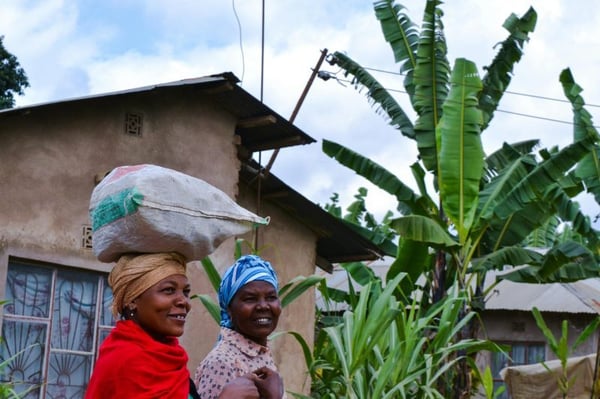
Swahili: make Meaningful Connections in Tanzania
If you’re planning to volunteer in Tanzania, learning Swahili can have a significant impact. Swahili is the lingua franca in many East African countries, and while English is often used in formal settings, Swahili is the heart of everyday conversation. By learning even the basics of this beautiful language, you’ll not only improve your interactions with locals but also be able to gain deeper cultural insights.
Swahili is can be easy for English speakers to pick up, with straightforward pronunciation and grammar rules. Even learning basic greetings like “Jambo” (Hello) and “Habari” (How are you?) can break down communication barriers and create an immediate sense of familiarity and friendliness. Volunteering in Tanzania with knowledge of Swahili allows you to bridge cultural gaps, foster trust, and become a more effective member of your volunteer team.
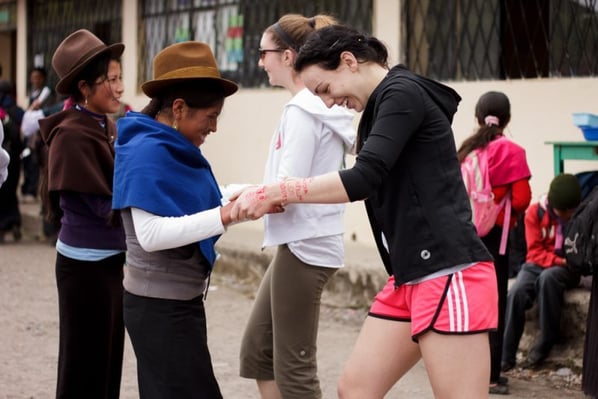
Quechua: Deep Roots in Andean Culture
While Spanish is the dominant language in many South American countries, Quechua is an indigenous language spoken by millions of people across the Andean regions, especially in countries like Peru and Ecuador. If you are volunteering in the rural Andean regions with MEDLIFE, learning Quechua can enhance your interactions with the communities you work with, especially in rural areas, and deepen your understanding of their culture.
Quechua can be a bit more difficult to pick up, for English and Spanish speakers alike. However, learning a few basic phrases like “Rimaykullayki” (Hello), “Allin p’unchaw” (Good day), “Arí” (Yes), and “Mana” (No) can go a long way in showing respect and building trust with locals. Understanding and speaking Quechua allows volunteers to establish more meaningful connections and demonstrates a commitment to preserving and respecting local traditions.
Why Language Matters in Volunteer Work
Being able to speak the local languages in your volunteer destination does more than just help you communicate; it opens doors to understanding cultural nuances, building trust, and making a positive impact. In volunteer work, especially in healthcare and education, effective communication is key to providing care and support. By speaking the language of the people you are assisting, you are not just performing a manual task; you are engaging in a genuine exchange that makes your contributions feel more meaningful and impactful.
To learn how you can join a MEDLIFE Service Learning Trip, fill out the interest form below or download our brochure!