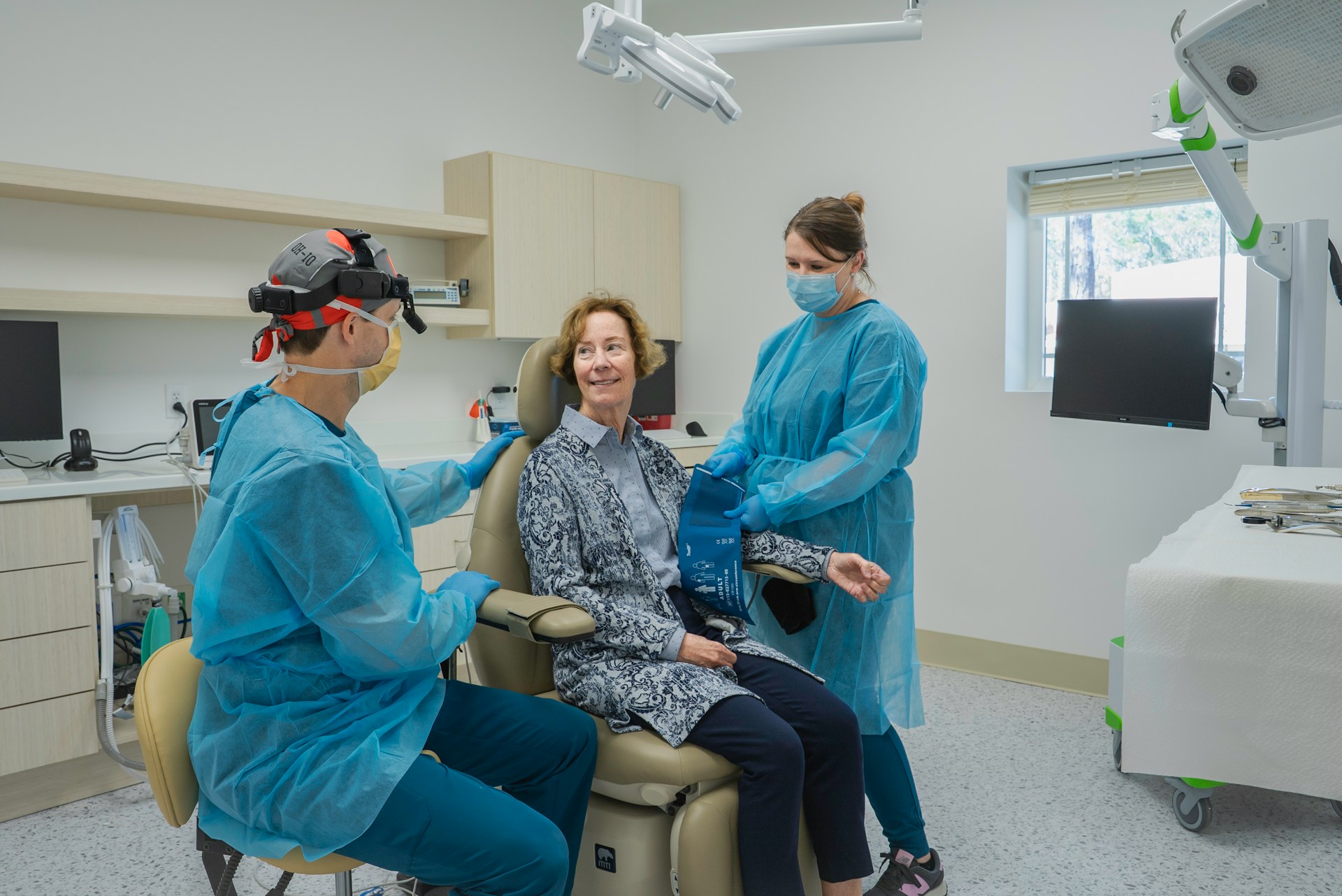
It’s a quiet morning in rural Ecuador. A student volunteer sits beside a local nurse, watching as she greets an older patient in Quechua. The nurse doesn’t just listen for symptoms; she listens for context, family worries, and unspoken barriers. When the student takes a turn, they quickly realize that doctor-patient communication skills mean far more than medical vocabulary; it’s about trust, empathy, and adapting to each patient’s world.
Why Doctor-Patient Communication Skills Matter Everywhere
Whether in a hospital in the U.S. or a clinic in Peru, effective doctor-patient communication skills shape every outcome. Research shows that patients are more likely to follow treatment plans, share important details, and return for follow-up when they feel truly heard. These skills are rarely mastered in a lecture hall; they’re learned through real conversations and meaningful human connections.
What Volunteer Abroad Programs Offer That Classrooms Can’t
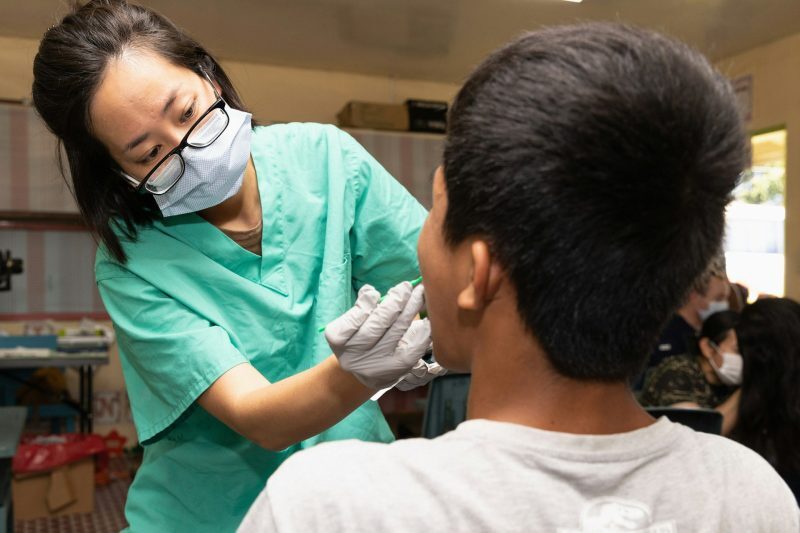
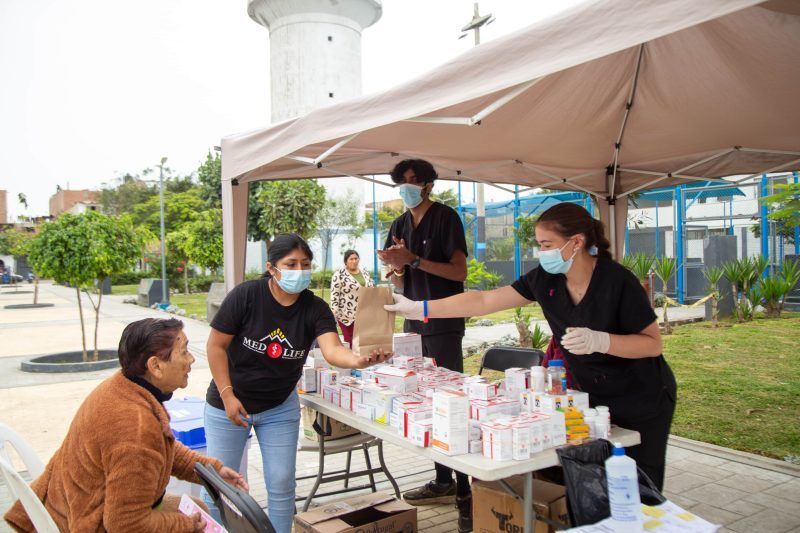
Many pre-med students and future healthcare professionals join volunteer abroad programs for hands-on experience, but the greatest lesson often comes from the way care is delivered. With MEDLIFE’s Service Learning Trips, students shadow local doctors and nurses, work with translators, and participate in interactive health workshops that bridge cultures and languages.
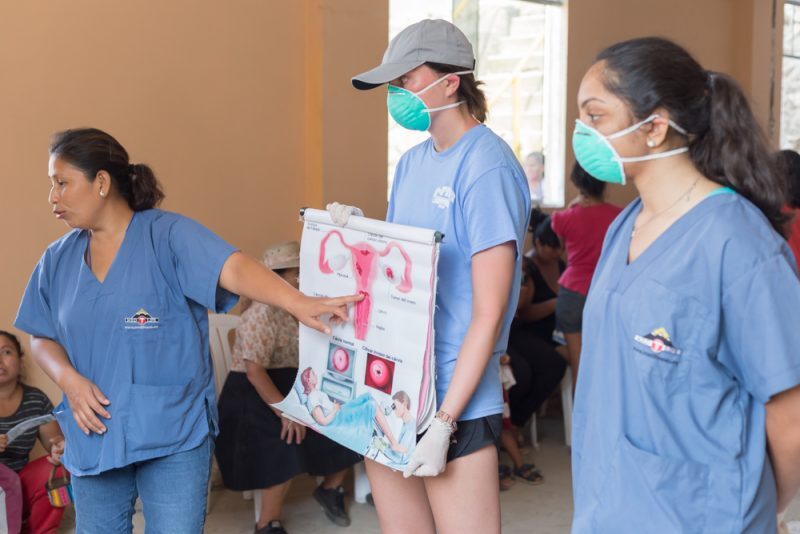
Learning to introduce yourself warmly, explain procedures in clear terms, and adapt to new health beliefs are everyday realities in the field. Experiences like supporting community health education workshops push students to become better listeners and more culturally aware communicators.
Learning from Local Leaders: The Heart of Communication
In communities from Ecuador to Peru, MEDLIFE’s model centers local leaders—nurses, doctors, and community presidents—who have earned trust by living and working alongside their neighbors. By watching these professionals, students see that medical career training is as much about humility and listening as it is about diagnosis.
When local healthcare professionals welcome a patient, they use language that puts families at ease, share stories that explain treatments, and involve relatives in decisions. By observing and practicing these approaches, students gain practical tools for building rapport with patients of all backgrounds.
Overcoming Language and Cultural Barriers Through Experience
Communication challenges abroad aren’t just about translation. Sometimes it’s about understanding why a patient is hesitant to speak, or why a mother might prefer traditional remedies. MEDLIFE’s gap year programs and service trips immerse students in these moments, requiring them to ask open-ended questions, use body language effectively, and respect different health beliefs.
For many, learning key phrases in Spanish or Quechua, sometimes inspired by MEDLIFE’s encouragement to learn a new language, becomes a foundation for trust and better health outcomes.
Doctor-Patient Communication Skills: A Core of Medical Career Training
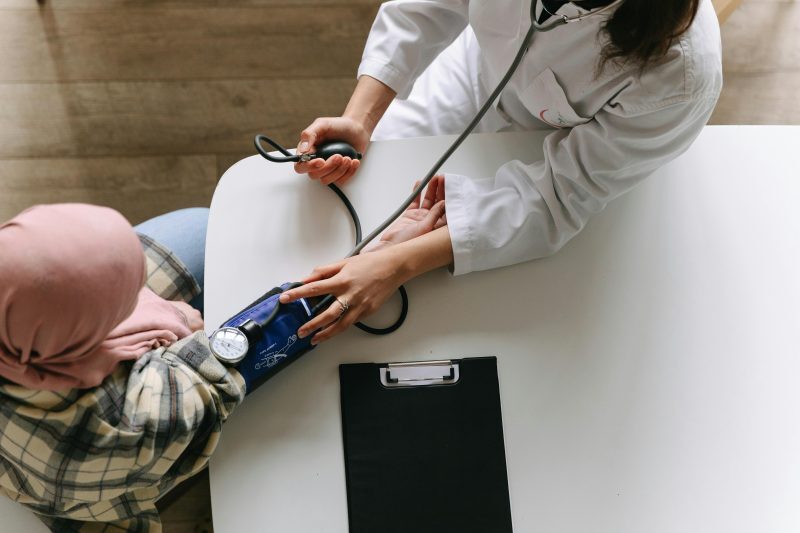
Strong doctor-patient communication skills are now recognized as essential in medical career training worldwide, reducing medical errors, increasing patient satisfaction, and even improving clinical results. Through real-world exposure in volunteer abroad programs, students develop the confidence to explain, reassure, and connect with diverse patients.
MEDLIFE’s commitment to ethical, sustained engagement ensures that students see the impact of follow-up conversations and long-term care, not just one-off interactions. They learn that every patient’s story is unique, and effective communication starts with curiosity and respect.
Becoming a Doctor Who Listens
When students return home from volunteering abroad, many find that their approach to patient care has transformed. They are more attentive to cultural differences, patient fears, and the value of clear, compassionate dialogue. They become advocates for health equity, aware that doctor-patient communication is not a skill to check off a list, it’s a lifelong practice.
Ready to Build Your Skills?
If you want to grow as both a medical professional and a global citizen, consider joining a Service Learning Trip. Begin your journey by downloading our brochure, or support sustainable projects to empower communities in need for less than the price of a cup of coffee a month.