

Trying to find NGO volunteer opportunities that genuinely align with your values and availability can feel overwhelming at first. With so many options nowadays, it’s important to choose a program that is responsible, respectful to the communities they work with, and beneficial to both you and the people you aim to support. Here are five essential things to know before committing to an experience abroad.

1. Know Your Values and Motivations
Before you begin your search, reflect on what is most important to you. Are you passionate about healthcare access, education equity, infrastructure improvement, children’s rights, women’s rights? Understanding your values will help you identify NGO volunteer opportunities that allow you to participate in something that is meaningful to you and allows you to grow in areas that matter to you.
For students interested in careers in medicine, public health, or education, working with organizations like MEDLIFE can provide meaningful exposure to real-world challenges in underserved communities.
2. Research the Organization’s Impact and Ethics
Not all organizations function the same way. Take time to look into each NGO’s approach to community service:
-
Do they work in collaboration with local professionals?
-
Are their projects designed and led by communities?
-
Is their impact long-lasting, or mainly driven by the volunteer experience?
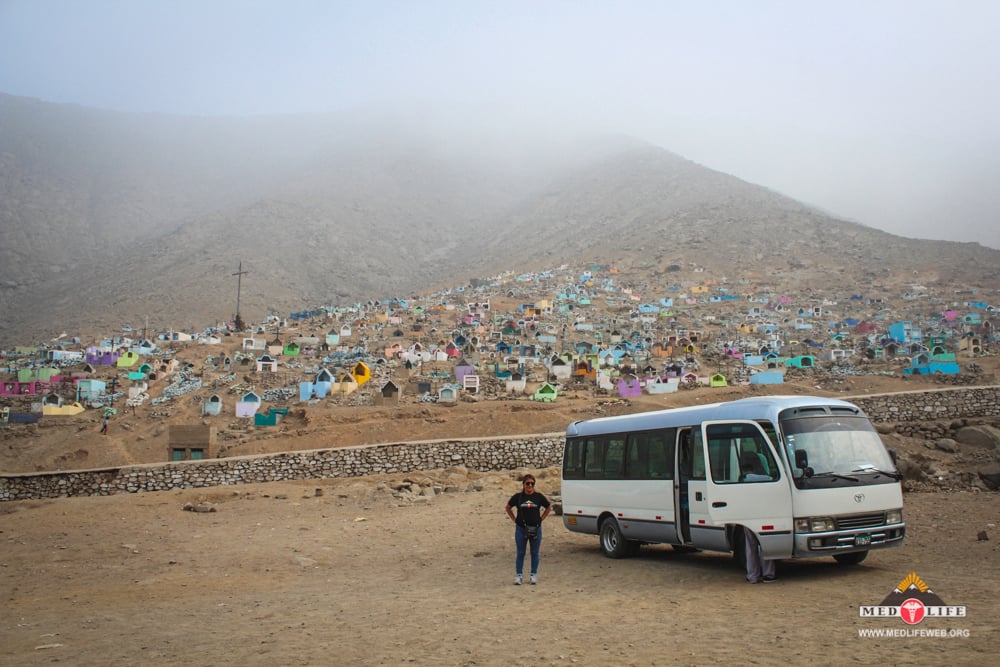
Prioritize finding NGO volunteer opportunities that emphasize ethical practices rather than short-term voluntourism. MEDLIFE, for instance, ensures that projects are built with input from community leaders and executed in alignment with their long-term needs.
3. Match Your Skills, Availability, and Level of Readiness
Consider what you can realistically offer. Are you studying healthcare, education, or simply someone with a desire to support initiatives in low-income areas? Then assess how much time you can commit. Some NGOs require several months of placement, while others offer shorter programs.
This is where MEDLIFE’s Service Learning Trips can be a suitable option. These one to two week trips allow volunteers to contribute to healthcare, education, and community development while still fitting into school schedules or personal commitments.
4. Avoid Programs Focused Only on the Volunteer
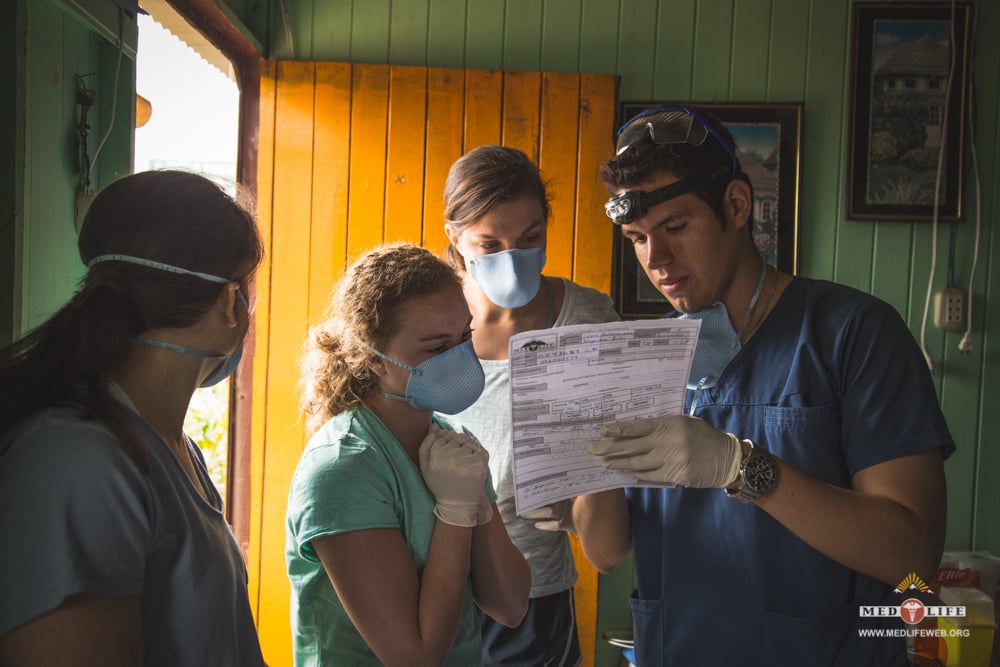
A red flag is any program where volunteers drive the work instead of local expertise. Effective NGO volunteer opportunities should involve volunteers supporting local professionals, not replacing them. Look for programs where volunteers learn from community members and participate in projects that are already in progress or have been developed with the help of people who live in the area and know what the local people need. Many “voluntourism” opportunities revolve around photo ops and curating moments to share on social media, which often leads to projects that don’t support the community’s growth in the long-term and ends up being something more for the volunteers rather than the actual community members.
5. Choose Experiences That Support Your Learning
The best opportunities will teach you while allowing you to contribute. Whether learning about social determinants of health, participating in mobile medical clinics, or working alongside community leaders, programs like MEDLIFE help volunteers develop cultural awareness, leadership, and practical experience, all while contributing to something bigger than themselves.
Your Next Step
If you’re ready to find NGO volunteer opportunities that align with your values and contribute to meaningful progress in low-income areas across Latin America and Africa, MEDLIFE offers structured, short-term options that prioritize ethical collaboration and education.
Start exploring MEDLIFE’s Service Learning Trip options today by filling out the interest form below or downloading our free brochure.
You can also help directly fund our community outreach programs by becoming a monthly donor to our Moving Mountains campaign. For just the cost of one coffee per month, you can help people like the patients you just read about receive care and assistance through their medical procedures. Click here to learn more!