

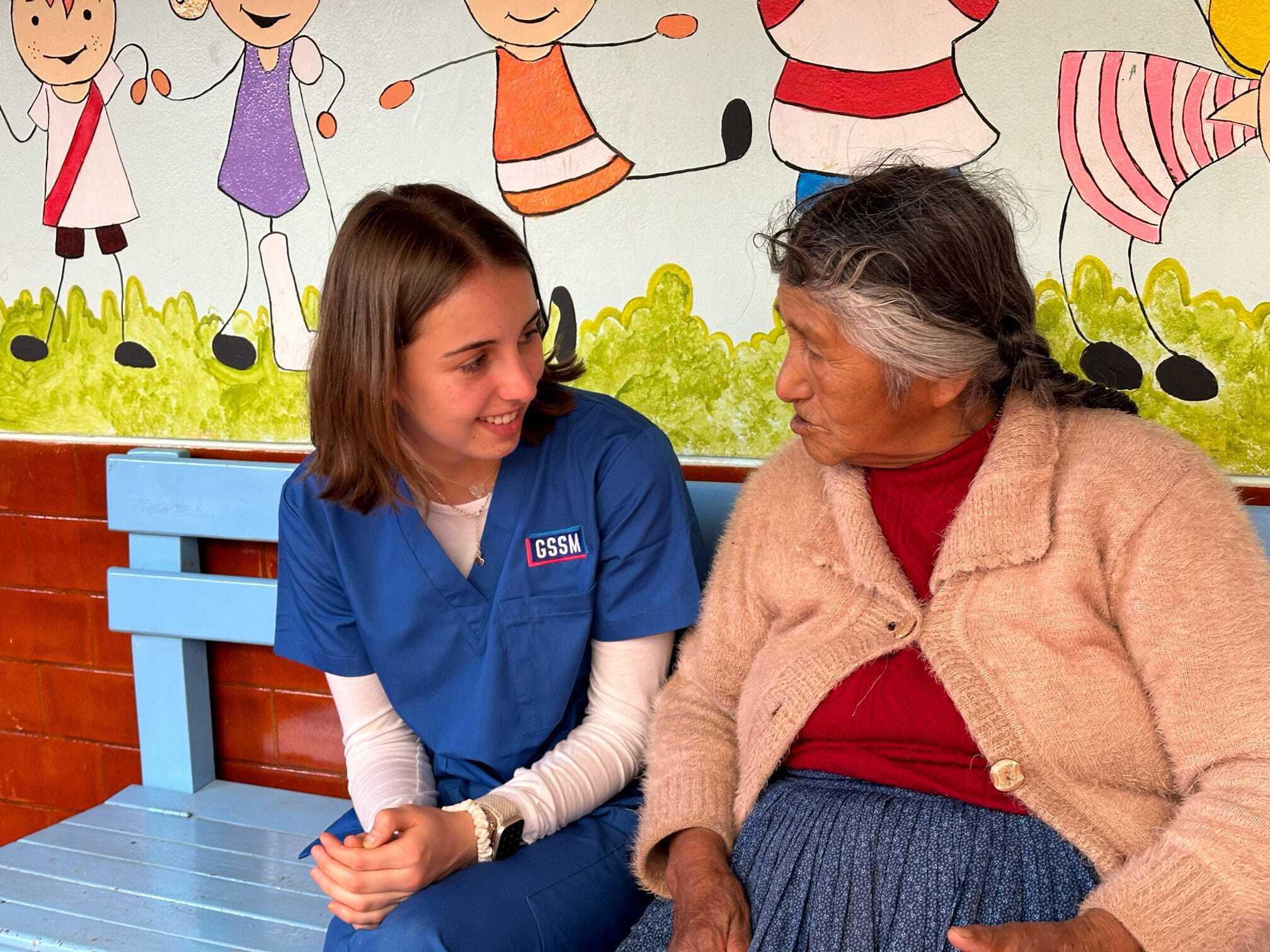
For many, learning about the world begins in a classroom. Textbooks, lectures, and discussions introduce topics like global issues, cultures, and histories. But some of the most meaningful lessons come from lived experiences. One of those lessons is cultural humility, a mindset that grows not from memorizing facts, but from listening, observing, and learning alongside others. MEDLIFE’s Service Learning Trips give students the opportunity to develop cultural humility through real-world engagement with communities around the globe.
What Cultural Humility Really Means
At its core, cultural humility is about recognizing that you do not have all the answers. It requires openness, self-reflection, and a willingness to learn from others, especially those whose lived experiences differ from your own. Rather than assuming expertise, students practicing cultural humility approach new environments with curiosity and respect. This mindset is especially important when interacting with communities facing barriers related to healthcare access, education, or infrastructure.
Cultural Competence vs Cultural Humility
The distinction between cultural competence and cultural humility helps explain why experiences outside the classroom matter so much. Cultural competence is often taught academically. Students learn about customs, social norms, and cultural practices through readings, case studies, and structured lessons. These foundations are extremely valuable and necessary.
Cultural humility, however, is developed through experience. It grows when students step into unfamiliar settings and realize how much they still have to learn. On a MEDLIFE SLT, students work alongside local professionals and community members who guide projects based on local priorities and needs. This dynamic reinforces that learning is ongoing and that communities are the experts on their own needs.
Learning Through MEDLIFE Service Learning Trips
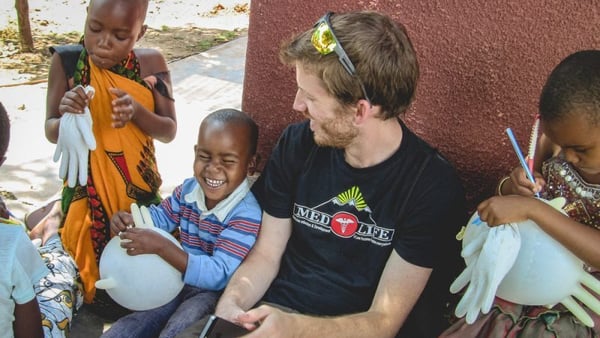
MEDLIFE SLTs are designed to emphasize partnership and community leadership. Students participate in activities such as supporting mobile clinics, assisting with health education outreach, or contributing to infrastructure projects, always under local guidance. These experiences challenge students to slow down, listen carefully, and adapt their expectations.
Through this process, students begin to understand how their own perspectives are shaped by privilege, culture, and access. They witness how communities navigate challenges using their own knowledge, resilience, and leadership. This lesson cannot be replicated in a lecture hall.
Why Experience Matters
Participating in a medical volunteer abroad program can help students truly understand the importance of true cultural humility, especially if they are pursuing a career in medicine. Students get to observe how healthcare delivery is shaped by language, belief systems, and access to resources. They learn that effective service requires trust and collaboration with the people you are serving, not assumptions about what they need. These moments help reinforce the importance of respecting community voices and local decision-making.
Carrying Cultural Humility Forward
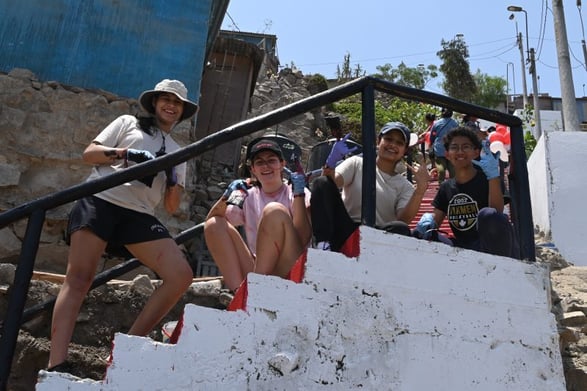
The lessons students gain through MEDLIFE’s SLTs extend far beyond the trip itself. Cultural humility influences how students approach future careers, relationships, learning opportunities, and so much more. It encourages lifelong reflection, empathy, and adaptability, all skills that are essential in any career.
By stepping outside the classroom and into community-led spaces, students gain a deeper understanding of themselves and others. Our Service Learning Trips create conditions for personal growth, giving students an experience that shapes how they interact with and think about the world long after they return home.
If you’re interested in how you can learn cultural humility while getting to volunteer abroad, fill out the interest form below or download our brochure to learn more about how you can join one of our Service Learning Trips today!