
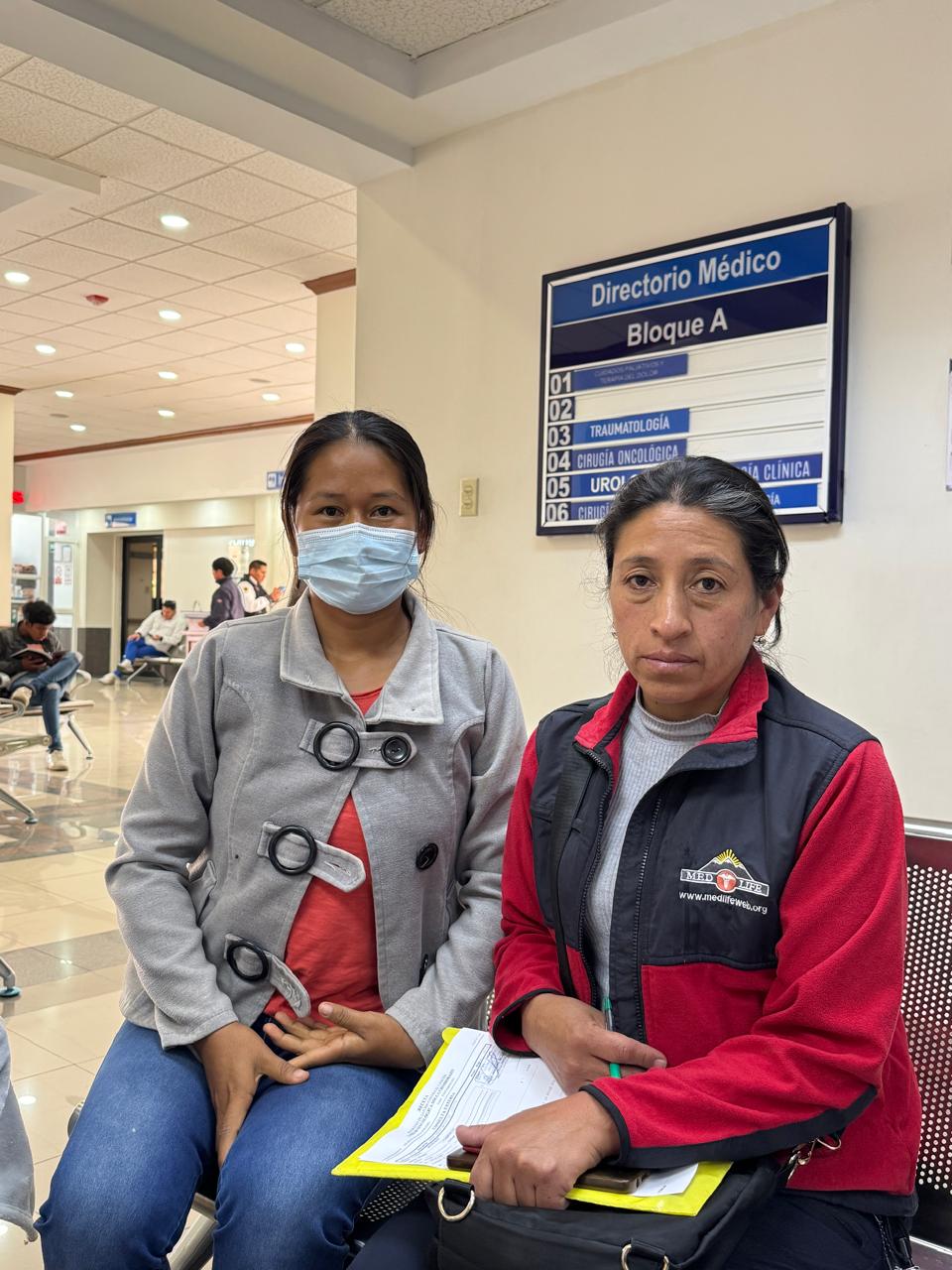
A pap smear test is an essential part of any woman’s health, helping to detect early signs of cervical cancer, which is far more treatable when caught in the early stages. Recently, Mrs. Marisol, a 33-year-old resident of the Union Venecia community in the Tena canton, Napo Province, underwent a pap smear test in a MEDLIFE mobile clinic. The test results revealed that she had ASCUS (Atypical Squamous Cells of Undetermined Significance), a condition that sometimes can be caused by the HPV (Human Papillomavirus) virus. Given the importance of early detection and intervention, Mrs. Marisol has now been enrolled in the patient follow-up program to ensure that her health is closely monitored and that any further complications are addressed promptly.
Understanding the Pap Smear Test Results
A pap smear test is a routine screening procedure that helps detect abnormal cell changes in the cervix, which could potentially lead to cervical cancer. When abnormal results like ASCUS are found, it doesn’t automatically mean that cancer is present. ASCUS refers to atypical squamous cells in the cervix that may be abnormal but are often not cancerous. However, it is important to investigate further to determine if these abnormal cells are linked to the HPV virus, which is the leading cause of cervical cancer.
In Mrs. Marisol’s case, the gynecologist explained that the pap smear test results indicated the presence of ASCUS, which can sometimes be caused by HPV infection. To confirm whether this was the case, Mrs. Marisol was advised to undergo a colposcopy and biopsy, which are diagnostic procedures that provide a more detailed view of the cervix and help determine the presence of HPV and the strain involved.
The Importance of Patient Follow-Up Management
Because Mrs. Marisol’s results raised concerns about potential HPV infection, she was enrolled in the MEDLIFE patient follow-up management program. This program ensures that patients receive continuous care, monitoring, and support. For Mrs. Marisol, it will include additional testing, such as genotyping to identify the specific strain of HPV, as some strains are more aggressive and have a higher risk of leading to cervical cancer.
This follow-up care will help assess her condition over time, ensuring that any changes in her health are caught early, allowing for timely interventions. With the HPV virus linked to various strains, regular monitoring and testing are essential for identifying any higher-risk strains that could lead to cancer. In this case, the patient follow-up management program will provide a comprehensive approach to ensure Mrs. Marisol receives the care she needs to stay healthy.
Continuing Care and Long-Term Monitoring
As part of her patient follow-up management, Mrs. Marisol’s next step is to attend a follow-up appointment at the Solca Riobamba Hospital, where she will undergo further diagnostic tests, including a genotyping examination to identify the HPV strain present in her system. This will guide the doctor in determining the most appropriate treatment plan for her and help ensure that her health remains in optimal condition.
By enrolling in the patient follow-up management program, Mrs. Marisol is taking proactive steps toward maintaining her health and preventing any serious complications in the future.
To assist people like Mrs. Marisol in receiving vital patient care and women's health resources, consider joining a MEDLIFE Service Learning Trip. You can work alongside professionals and local leaders in helping deliver healthcare, education, and infrastructure to underserved communities across Latin America and Africa. To learn how to join a MEDLIFE SLT, fill out the interest form below or download our free brochure!