
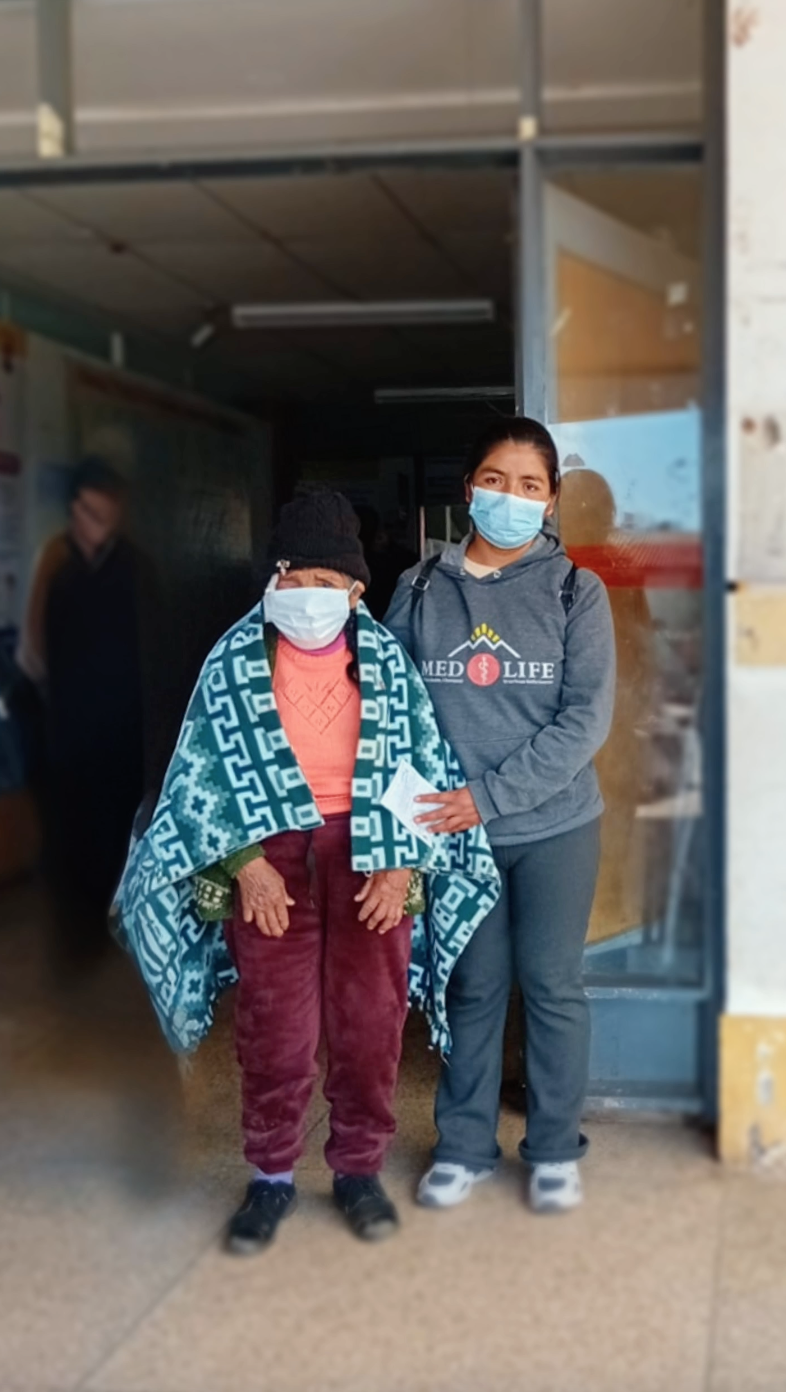
In many medically underserved areas, access to consistent treatment can be the difference between life and loss. For Fortunata, an 84-year-old woman from a community in Cusco, receiving ongoing care has been essential to her journey through diagnosis, treatment, and recovery.
Fortunata is a resilient woman living in a medically underserved community in Cusco. At 84 years old, she was facing a difficult challenge: a tumor in her right eye. Her journey began with a visit to the oncology department at the regional hospital, where a biopsy was performed to determine whether the tumor was benign or malignant. The results showed signs of it being malignant, and it was clear her fight had just begun. Over the next few days, she went through several tests, blood work, tomography, and other necessary evaluations. And then the diagnosis: the tumor was indeed malignant.
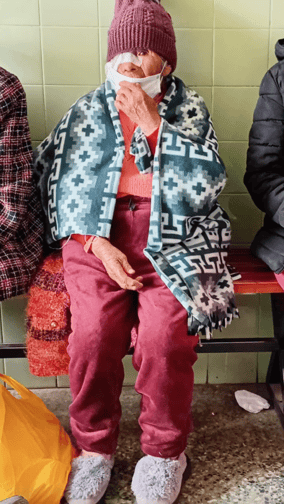
Fortunata
A Critical Moment in Her Care
Fortunata's doctors determined that surgery was necessary to help her live a better life. She went through multiple evaluations with anesthesiologists and pulmonologists to ensure she was ready for the operation. On December 1st 2025, after careful preparation, Fortunata underwent surgery. The operation was a success. She spent a few days in recovery, and her health improved with each passing moment. By December 17th, she was able to go home, surrounded by loved ones, thanks to her successful surgery.
While the surgery marked a major milestone, it was only one step in a much larger journey. In communities where healthcare access is limited, recovery does not end at discharge; it requires continued support, resources, and monitoring.
The Importance of Ongoing Care
Our commitment to Fortunata didn't end there. MEDLIFE continues to provide her with food, essential items, and support she needs to maintain her quality of life. This kind of ongoing care ensures that she can continue her recovery in a safe and stable environment, reducing the risk of complications and supporting her overall well-being.
Providing long-term support to people in underserved areas just highlights the importance of sustainability in healthcare. Without continued access to resources, even successful medical interventions can fall short. Ongoing care bridges the gap between treatment and long-term recovery, especially for individuals who may not otherwise have access to consistent support.
A Story of Resilience and Community
Fortunata's story is a testament to resilience, community, and the power of support. With the support of MEDLIFE, her community, and healthcare professionals, Fortunata continues to live with dignity. Her journey reflects the importance of treating healthcare as an ongoing process rather than a one-time solution.
Through ongoing care, individuals like Fortunata are allowed not only to survive but to maintain their quality of life. This approach ensures that care extends beyond the hospital and into the everyday realities of patients’ lives.
Looking Ahead
Fortunata’s experience highlights a broader truth: healthcare does not end with a procedure. It requires continuous support, especially in communities facing systemic barriers. By focusing on long-term solutions, MEDLIFE helps ensure that patients receive the care they need every step of the way.
Her story serves as a reminder that with the right support, healing can continue long after the initial treatment, and that compassion, consistency, and commitment are at the heart of meaningful healthcare.
Interested in how you can support people like Fortunata in receiving comprehensive healthcare, education, and infrastructure in countries like Peru, Ecuador, and Tanzania? Consider joining a MEDLIFE Service Learning Trip. To get started today, fill out the interest form below or download our free brochure!