The connection between education and healthcare is one of the most important yet often overlooked factors in global health. Access to education not only shapes individual opportunities but also plays a critical role in determining health outcomes for entire communities. When people are educated, they are better equipped to make informed decisions about their health, access resources, and improve their overall well-being.
How Education Influences Health Outcomes
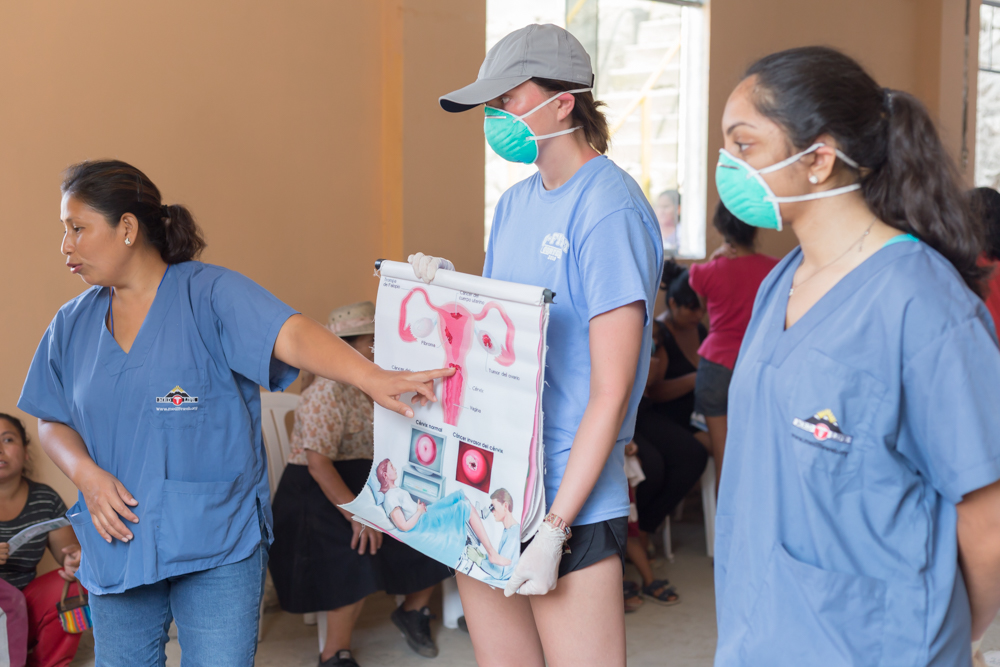
Education provides individuals with the knowledge and skills needed to understand basic health practices. From learning about hygiene and nutrition to recognizing symptoms of illness, education empowers people to take preventative measures and seek care when necessary.
The relationship between education and healthcare becomes especially clear in underserved communities. Individuals with limited access to education may not have the information needed to prevent disease or navigate healthcare systems. This can lead to delayed treatment, higher rates of illness, and long-term health challenges.
Additionally, education has the ability to lead to improved economic opportunities. With stable income, individuals are more likely to afford healthcare services, nutritious food, and safe living conditions, all of which contribute to better health.
Breaking the Cycle Through Education
Education is a powerful tool for breaking cycles of poverty and poor health. When children have access to schooling, they are more likely to grow into adults who prioritize health and well-being for themselves and their families.
For example, educated parents are more likely to ensure their children receive vaccinations, maintain proper hygiene, and access medical care when needed. This creates a ripple effect that strengthens community health over time.
The link between education and healthcare also extends to public health awareness. Communities with higher levels of education are often better prepared to respond to health challenges, from disease prevention to understanding the importance of infrastructure like clean water and sanitation.
MEDLIFE’s Holistic Approach
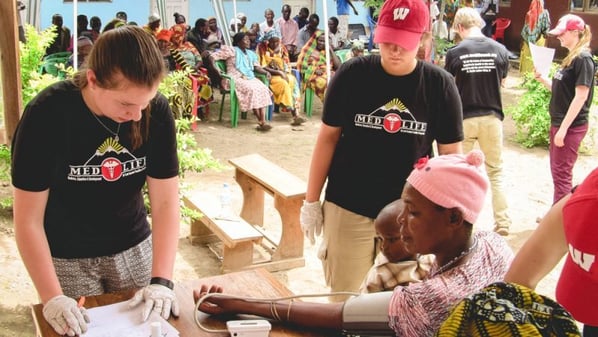
At MEDLIFE, addressing global health challenges means looking beyond healthcare alone. We recognize that improving health outcomes requires a holistic approach that includes education, infrastructure, and community development.
Through educational initiatives, like health workshops and skills training programs, MEDLIFE works alongside communities to promote health awareness, preventative practices, and create long-term solutions to things like income inequality.
By combining education with access to healthcare services and infrastructure development, MEDLIFE aims to address the root causes of health disparities rather than just the symptoms. This integrated approach strengthens the connection between education and healthcare and creates a long-term, sustainable impact.
Building Healthier Futures
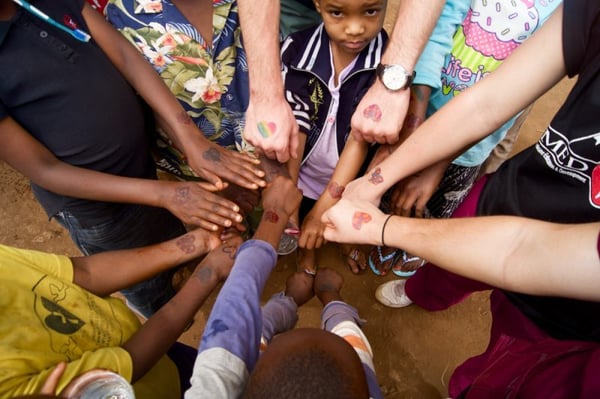
Understanding the link between education and healthcare highlights the importance of investing in both sectors simultaneously. This is vital for anyone interested in global health, medical volunteering, and poverty reduction. When people have access to education, they gain the tools needed to improve their health and support their communities. Without these tools, it can be almost impossible to break away from the cycle of poverty.
Wondering how you can contribute to improving access to education in underserved areas across Latin America and Africa? Consider joining a MEDLIFE Service Learning Trip! You can work alongside medical professionals and actively contribute to uplifting our partner communities in countries like Peru, Ecuador, or Tanzania. To get started today, fill out the interest form below or download our free brochure.