
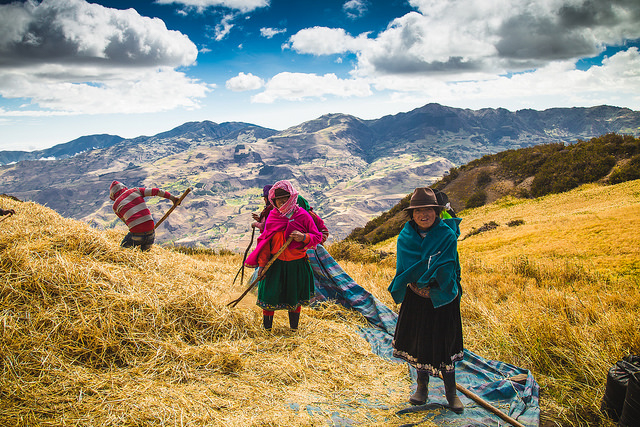
Ecuador’s contrast between mountain peaks, lush forests, and bustling towns full of life hides a harsh reality for many families and individuals across the country. The issue of poverty in Ecuador remains widespread across many areas of the country. Roughly a quarter of Ecuador’s population lives below the national poverty line, with many more facing limited access to essential services. For rural communities like those in Tena and Riobamba, the effects go beyond just low incomes: a lack of infrastructure, unreliable access to water and electricity, and insufficient healthcare and education make it nearly impossible to rise above the cycle of poverty.
The Current State of Poverty in Ecuador
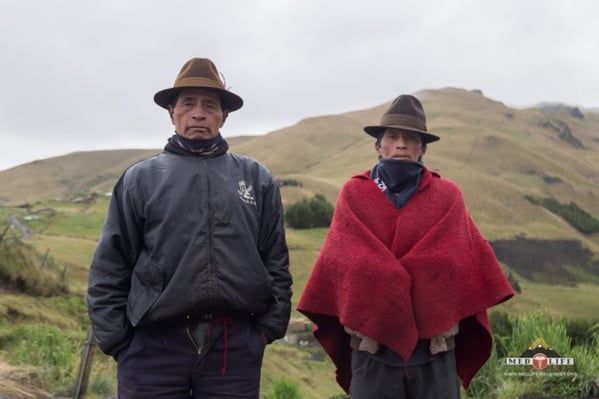
In 2022, the national poverty rate was about 30.90%, still a significant share of the population. However, this figure masks regional inequalities. Rural and indigenous communities, like those where many of our partner communities are located, frequently experience higher poverty levels and greater isolation from essential services. Access to stable incomes, comprehensive health care, and basic amenities remains inconsistent.
These disparities contribute to a persistent poverty level in Ecuador that is tied to social determinants far beyond income. Families often struggle with limited infrastructure, which means no reliable water supply, intermittent electricity, and poor sanitation, making everyday tasks a challenge.
What Life Looks Like in Underserved Communities
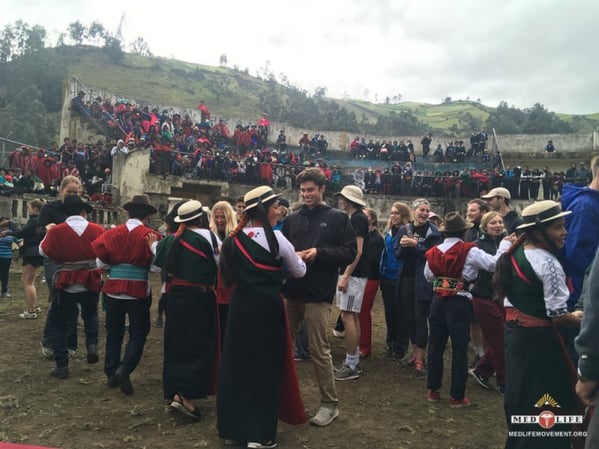
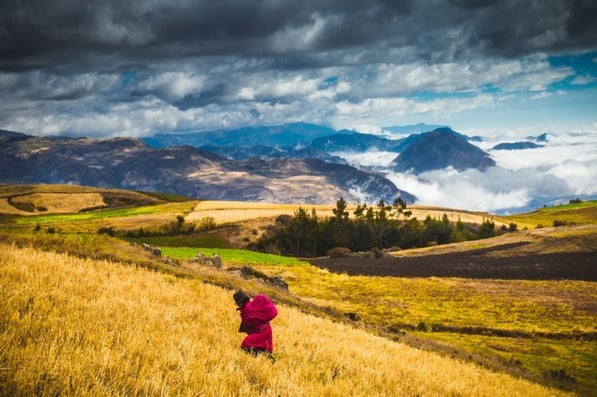
In communities around Tena and Riobamba, reality often involves fragile housing, limited access to medical care, and long distances to clinics or schools. Some families may go days without clean water, and traveling to the nearest hospital can take hours.
Lack of infrastructure also affects educational opportunities. Children may live too far from a school, or families may not have access to reliable electricity or internet, complicating learning and study support. Both young children and adults end up missing out on opportunities that would allow them to step into opportunities that would uplift them out of their living situations.
Why Volunteer Work in Ecuador Matters
Because of these complex, interlinked challenges, MEDLIFE offers opportunities for volunteer work in Ecuador that plays a powerful role in breaking this cycle. Volunteers can support mobile medical clinics, which bring comprehensive care directly to remote communities. They can also help facilitate educational outreach, assist in infrastructure projects, or support efforts to provide clean water and sanitation.
These projects aim to relieve immediate needs and contribute long-term to community resilience: better health, safer homes, improved sanitation, and broader access to powerful health education. In doing so, volunteers work hand-in-hand to narrow the gap created by persistent poverty.
How Communities Work With Us Through Partnership
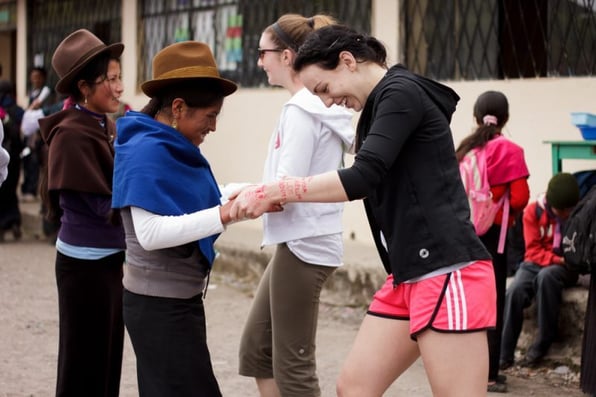
One key way we ensure our projects are sustainable and relevant is a focus on the importance of partnership and local leadership. MEDLIFE works side-by-side with community members when planning projects. Listening, learning, and responding to what residents identify as their greatest needs. Solutions are not imposed from the outside, but built with the insight of those who live in the affected areas.
This collaborative approach respects the autonomy of each community and increases the likelihood that improvements, whether in healthcare, sanitation, education, or infrastructure, will be sustained long after volunteers leave.
Looking Forward with Hope and Action
Understanding poverty in Ecuador means acknowledging more than just income statistics; it involves understanding the human cost of lacking basic infrastructure, access to healthcare, and stable opportunities.
With projects like MEDLIFE’s Service Learning Trips, small-scale interventions can gradually build toward long-term improvement. Clean water, functional clinics, safer housing, and better education are all ingredients in helping families move beyond poverty and toward stability.
If you want to help communities facing these conditions, consider joining a Service Learning Trip. Together, we can help turn the statistics into stories of progress. To get started today, fill out the interest form below or download our free brochure!
You can also help directly fund our community outreach programs by becoming a monthly donor to our Moving Mountains campaign. For just the cost of one coffee per month, you can help people like the patients you just read about receive care and assistance through their medical procedures. Click here to learn more!