

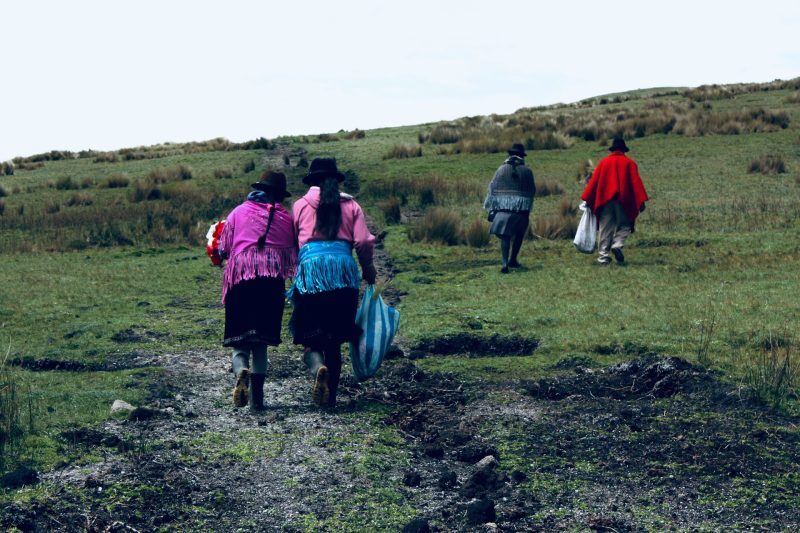
In a coastal community in Ecuador, a woman waits at the edge of her village for a passing truck that might take her closer to the nearest clinic. There is no fixed schedule. Some days, no ride comes at all. Missing that opportunity can mean delaying care for weeks. This is the reality of transportation and healthcare access.
When we talk about affordable and accessible healthcare, we often focus on clinics, doctors, and medication. But access begins much earlier. It starts with whether a patient can physically make the journey.
Transportation and Healthcare Access in Daily Life
For many underserved communities, transportation is unpredictable and often unsafe. Roads may be unpaved or nonexistent. Public transit may not reach remote areas. These barriers turn routine care into a major challenge.
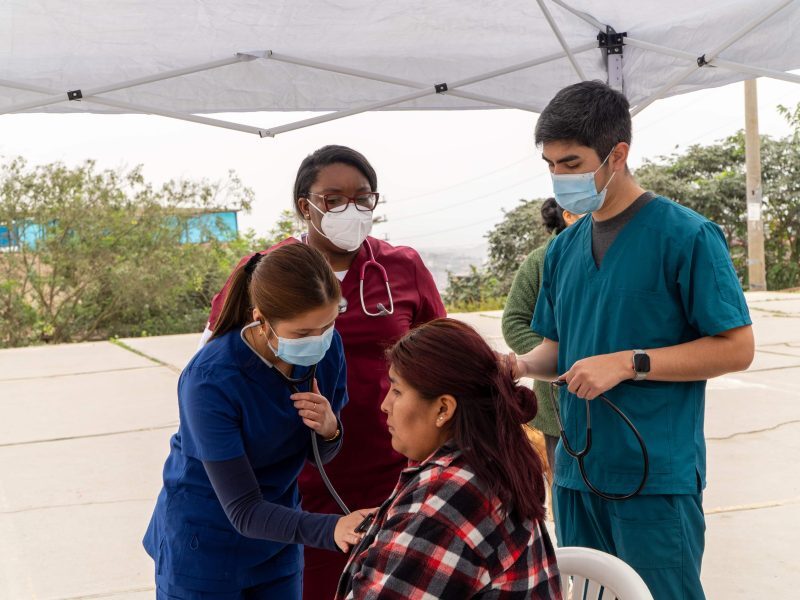
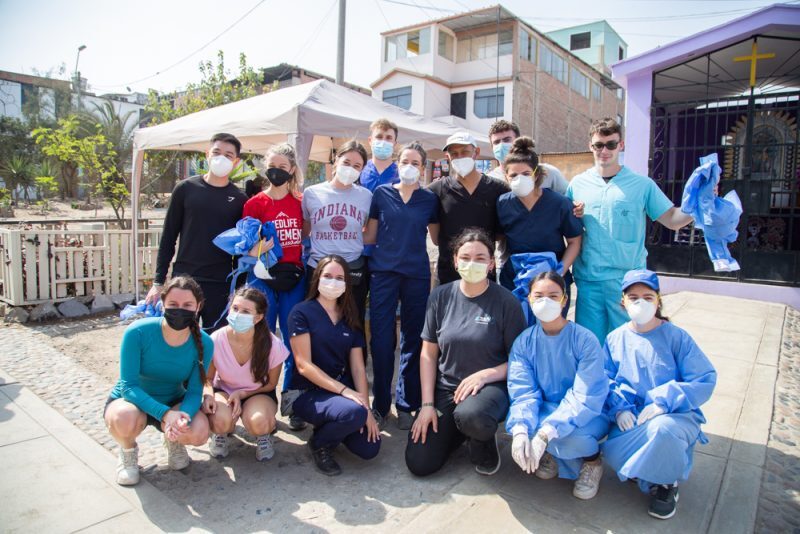
In MEDLIFE partner communities, access is improved not only through infrastructure but also through proximity and coordination. Mobile clinics bring healthcare closer to patients, reducing the distance they need to travel in the first place.
You can see how bringing care directly to communities changes outcomes in this story about pediatric medical care in Ecuador.
By reducing the gap between patients and providers, transportation becomes less of a barrier to consistent care.
Why Transportation Is Central to Affordable and Accessible Healthcare
Healthcare depends on continuity. A single visit rarely resolves a condition. Patients need follow-up appointments, ongoing monitoring, and access to medication.
MEDLIFE connects initial screenings with long-term care by working alongside local clinics and healthcare providers. When transportation is limited, these connections become even more important.
Stories like this one about women accessing ongoing care highlight how consistent access improves health outcomes over time.
When transportation and healthcare access are addressed together, patients are more likely to continue treatment and manage chronic conditions effectively.
Service Learning and Understanding Access Barriers
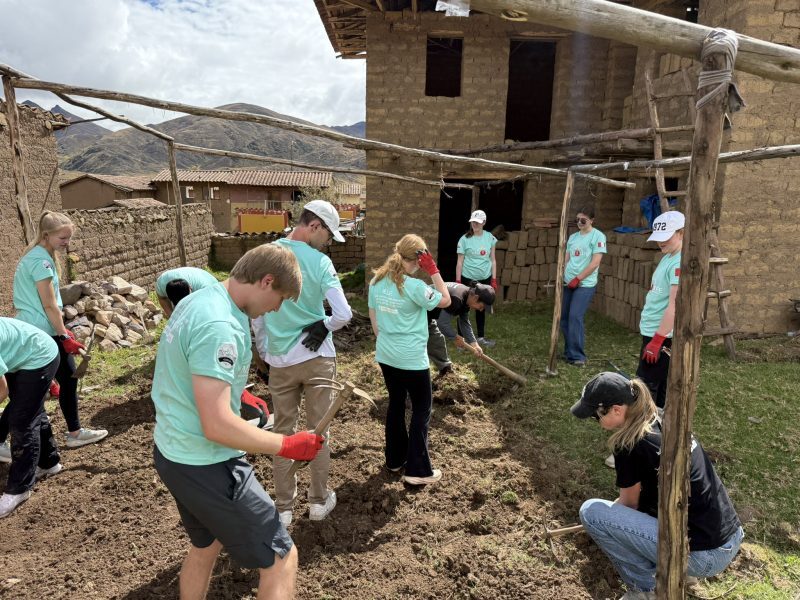
For students participating in service learning, transportation challenges often become clear within the first few days in the field. Distances that seem short on a map can take hours to navigate.
MEDLIFE’s Service Learning Trips are designed to help students understand how geography and infrastructure shape health outcomes. Students observe how local professionals adapt care delivery based on these realities.
If you are considering joining, this article on making a gap year meaningful offers insight into how these experiences are structured.
Through this lens, students begin to see that improving healthcare requires addressing the systems that surround it.
Community Driven Solutions to Transportation Barriers
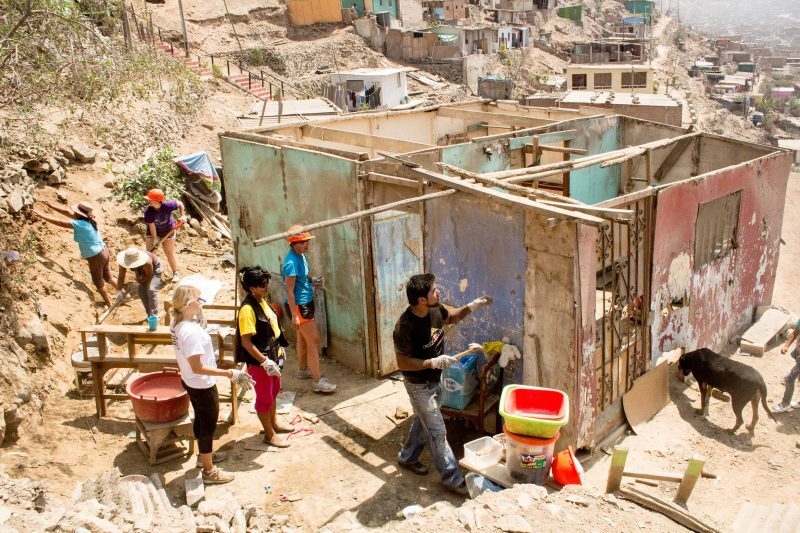
Communities are central to solving transportation challenges. Local knowledge helps identify the most effective ways to improve access, whether through mobile care, better coordination, or targeted development projects.
MEDLIFE’s 50–50 model ensures that communities are active participants in these solutions. Residents contribute labor and insight, while MEDLIFE provides resources and technical support.
Educational initiatives also play a role. By increasing health literacy, communities can make informed decisions about when and how to seek care. This story on health education in Ecuador shows how knowledge supports better health outcomes.
Together, these efforts create a system where transportation and healthcare access are addressed in a coordinated way.
A Connected Approach to Health and Development
Transportation and healthcare access are closely linked. Without reliable ways to reach care, even the most effective medical programs can fall short.
MEDLIFE’s integrated approach combines healthcare, education, and development to address these challenges from multiple angles. This creates a more stable foundation for long-term health improvements.
For students, this offers a meaningful way to engage with Global Health through hands-on experience. For donors, it ensures that contributions support solutions that go beyond immediate care.
MEDLIFE - Transformative Travel Experiences
Start your journey by downloading our brochure. You can also directly assist communities in need by becoming a monthly donor through MEDLIFE’s Moving Mountains program.