
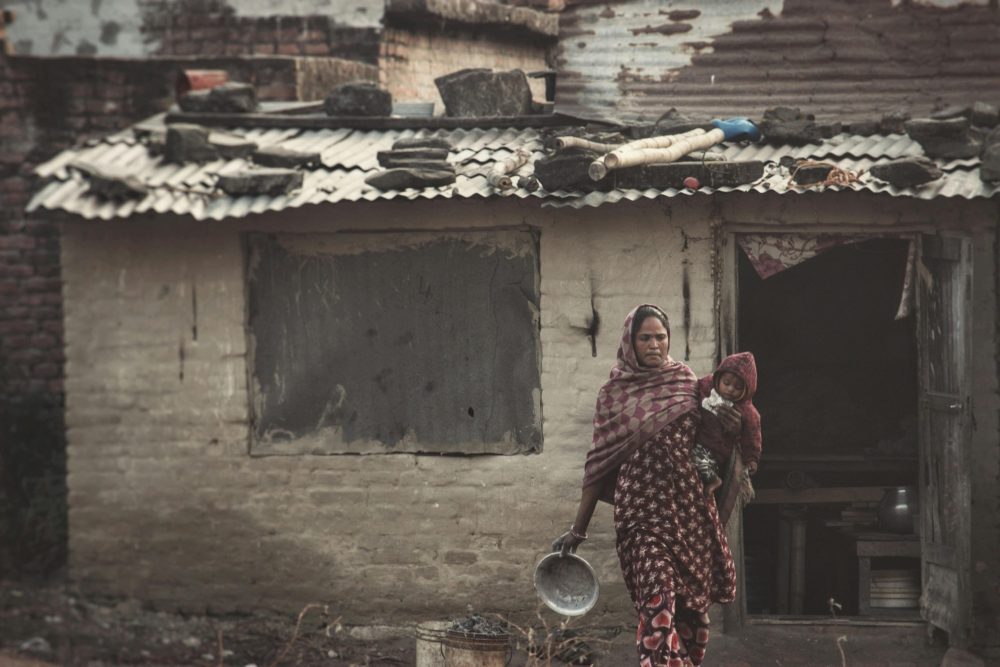
The cycle of poverty is a persistent issue that affects millions of people around the world, limiting access to basic resources and opportunities. It refers to the pattern where individuals and families remain trapped in poverty due to systemic barriers that make it difficult to improve their circumstances. Understanding how this cycle works is essential to creating long-term, sustainable solutions in areas around the world that are medically underserved.
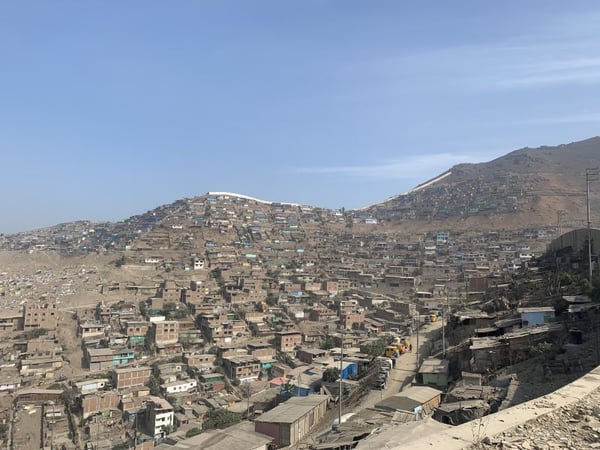
What Is the Cycle of Poverty?
To better understand what the cycle of poverty is, it’s important to look at the interconnected factors that keep it in motion. Limited access to education, healthcare, stable income, and infrastructure all contribute to this ongoing challenge.
For example, a child growing up in a low-income community may have limited access to quality education. Without education, it becomes harder to secure stable employment. Without stable income, access to healthcare and safe living conditions becomes limited. These factors reinforce one another, creating a continuous loop that is difficult to break.
This repeating pattern is often referred to as the poverty cycle, where each generation faces similar barriers, making upward mobility increasingly difficult.
The Effects on Health and Well-Being
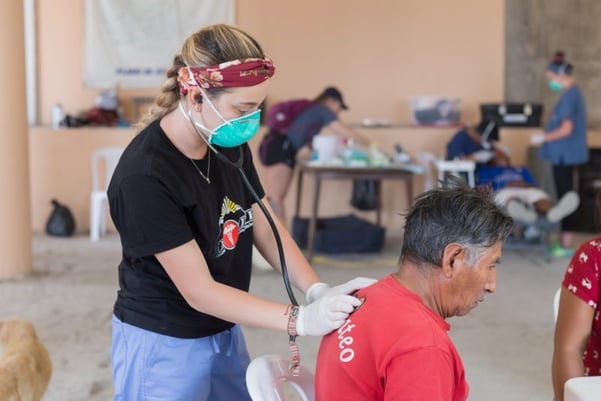
The cycle of poverty has far-reaching effects on both physical and mental health. Individuals living in underserved communities are more likely to experience limited access to healthcare, poor nutrition, and unsafe living conditions. These factors increase the risk of preventable diseases and chronic health issues.
Health challenges can also make it harder for individuals to work or attend school, further reinforcing the cycle. When people are unable to maintain their health, it limits their ability to improve their economic situation, continuing the pattern of poverty.
In addition, the stress associated with financial instability and limited resources can impact mental well-being, creating additional barriers to long-term success.
Barriers That Keep the Cycle in Motion
Several key barriers contribute to the persistence of the cycle of poverty:
- Lack of access to healthcare: Preventable illnesses go untreated, affecting productivity and quality of life.
- Limited education opportunities: Without education, individuals face fewer job opportunities.
- Inadequate infrastructure: Poor access to clean water, transportation, and safe housing impacts daily life and health.
- Economic instability: Irregular income makes it difficult to plan for the future or invest in long-term growth.
These barriers are interconnected, meaning that addressing just one issue is often not enough to create lasting change.
How MEDLIFE Works to Break the Cycle
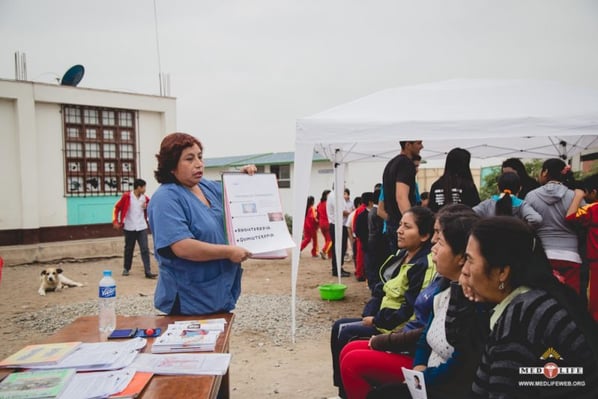
Breaking the cycle requires a comprehensive approach that addresses multiple factors at once. Our projects focus on improving access to healthcare, education, and infrastructure in underserved communities, three key areas that directly impact long-term outcomes.
By working alongside communities, we implement projects such as mobile clinics, educational programs, and infrastructure development. These initiatives are designed to provide immediate support while also creating sustainable systems that empower communities over time.
Rather than offering short-term solutions, our approach focuses on addressing root causes. By improving living conditions and expanding opportunities, communities are better equipped to break free from the cycle of poverty.
Creating Lasting Change
Understanding the cycle of poverty allows one to understand the importance of long-term, community-driven solutions. When individuals have access to healthcare, education, and stable resources, they are better positioned to improve their circumstances and create opportunities for future generations.
Breaking this cycle is not simple, but it is possible. Through collaboration, sustainable development, and a focus on root causes, MEDLIFE is working to build a future where communities across Latin America and Africa can thrive.
Wondering how you can help address the cycle of poverty through medical and educational outreach? Consider joining a MEDLIFE Service Learning Trip. You can work directly with underserved populations through mobile clinics and infrastructure development projects. To get started today, fill out the interest form below or download our free brochure!