

The consequences of delaying medical care can be severe, often turning manageable health concerns into serious, long-term conditions. While access to healthcare is a major factor, delays in seeking treatment are influenced by a complex mix of social, economic, and systemic barriers, especially in underserved communities.
Why People Delay Medical Care
There are many reasons why individuals postpone seeking care. In some cases, it’s due to financial limitations or lack of nearby healthcare facilities. In others, it may stem from a lack of awareness about symptoms or the importance of early intervention. Transportation challenges, long wait times, and limited availability of healthcare providers can also discourage people from seeking help. In underserved regions, these barriers are often compounded, making it even more difficult to access timely care.
Cultural factors and past experiences also play a role. If individuals have previously felt dismissed or misunderstood in healthcare settings, they may hesitate to return. These factors highlight that delaying care is not always a choice, it is often the result of systemic obstacles.
The real Impact of Delayed Care
The consequences of delaying medical care are not just immediate, they can have lasting effects on individuals and communities. Conditions that could have been treated early may worsen over time, requiring more complex and costly interventions later.
For example, untreated infections can spread, chronic illnesses can progress without management, and minor symptoms can develop into serious health complications. In many cases, delayed care leads to increased pain, reduced quality of life, and higher risk of long-term disability. Preventative care is also affected. When individuals do not have regular access to screenings or check-ups, early warning signs are missed. This makes it harder to detect conditions before they become critical.
A Broader Impact on Low-Income Communities
The ripple effects of delayed medical care extend beyond individual patients. When large portions of a community face barriers to healthcare, the overall health of that community declines.
The consequences of delaying medical care can include increased strain on healthcare systems, as patients eventually seek treatment at more advanced stages of illness. This leads to higher costs and fewer resources available for others. Additionally, poor health outcomes can impact education, employment, and economic stability. When individuals are unable to work or care for their families due to untreated conditions, the effects are felt across entire communities.
Addressing the Root Causes
Reducing delays in medical care requires more than expanding healthcare services, it requires addressing the underlying barriers that prevent people from seeking care in the first place.
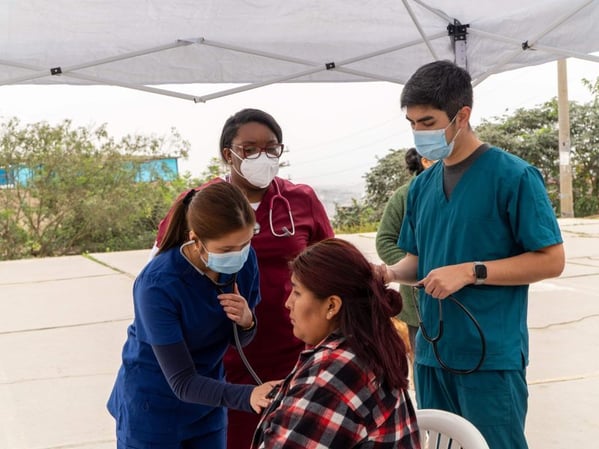
MEDLIFE takes a holistic approach by combining healthcare delivery with education, infrastructure, and community development. Mobile clinics bring care directly into communities, while long-term initiatives like educational workshops and patient follow-up help improve access and awareness.
By focusing on prevention, accessibility, and trust, it becomes possible to reduce delays and improve health outcomes over time.

Making Timely Care Truly Accessible
Ensuring that individuals can access care when they need it is essential to building healthier communities. Addressing the barriers that lead to delays can prevent unnecessary suffering and reduce the burden on healthcare systems.
Understanding the consequences of delaying medical care is the first step toward creating solutions that prioritize timely, equitable, and sustainable healthcare for all.
To learn how you can be part of a movement that makes recieving medical care easier and more accessible for people in low-income communities across Latin America and Africa, fill out the interest form below or download our free brochure to learn about MEDLIFE's Service Learning Trips!