

Access to healthcare is often discussed in terms of distance, cost, and availability, but one critical factor is frequently overlooked: patient trust. In many communities around the world, especially those facing systemic barriers, trust plays a major role in whether individuals seek care, follow medical advice, or avoid healthcare systems altogether.
Why Patient Trust Matters
When individuals feel respected, heard, and understood, they are far more likely to seek out and trust healthcare providers. Patient trust creates a foundation for open communication, allowing patients to share symptoms honestly and follow through with treatment plans.
Without trust, even the most accessible healthcare services can go underutilized. Patients may delay seeking care, avoid clinics altogether, or rely on alternative solutions that may not address their needs. This is particularly true in underserved communities where past experiences, cultural differences, or systemic inequities may have eroded confidence in healthcare systems.
Barriers to Trust in Healthcare
There are several factors that can make gaining patient trust more difficult. Language barriers, lack of cultural understanding, and limited time with providers can all impact how patients perceive care.
In some cases, patients may have experienced discrimination or felt dismissed in previous interactions. These experiences can create long-lasting hesitation, making it harder for individuals to feel comfortable seeking care again.
Additionally, when healthcare systems are inconsistent or lack follow-up, patients may feel unsupported. This lack of continuity can weaken trust and reduce long-term engagement with healthcare services.
How Trust Improves Healthcare Access
Trust is directly linked to access. When patients trust their providers, they are more likely to:
- seek care earlier
- attend follow-up appointments
- adhere to prescribed treatments
- take on preventative care
This is why understanding how to build a trusting relationship with patients is essential for improving health outcomes. Trust transforms healthcare from a transactional experience into a collaborative partnership.
Building Trust Through Community-Based Care
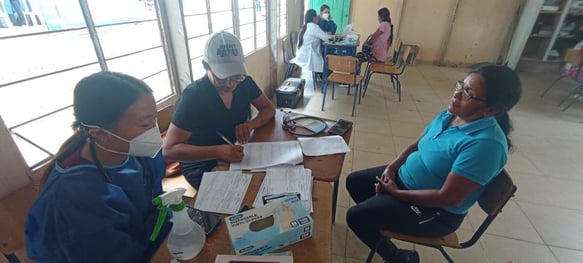
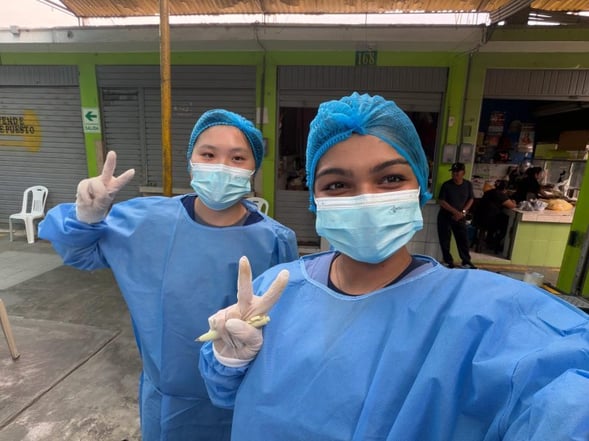
MEDLIFE prioritizes relationship-building as a key component of healthcare delivery. By working alongside communities and maintaining a consistent presence, we help to build environments where patients feel comfortable and supported.
This approach emphasizes communication, cultural awareness, and respect, key elements in building trust. When patients see familiar faces and experience continuity in care, their confidence in the system grows.
A Foundation for Better Health
Improving healthcare access is not just about expanding services, it’s about ensuring those services are trusted and used. Patient trust is a foundational element that influences every stage of the healthcare journey.
By prioritizing trust, healthcare systems can become more effective, equitable, and responsive to the needs of the communities they serve. When individuals feel confident in their care, they are empowered to take an active role in their health.
To learn how you can volunteer abroad with MEDLIFE and help break down the barriers of access in underserved areas, fill out the interest form below or download our free brochure today! SLT spots fill up fast, don’t miss your chance to give back and see new parts of the world!