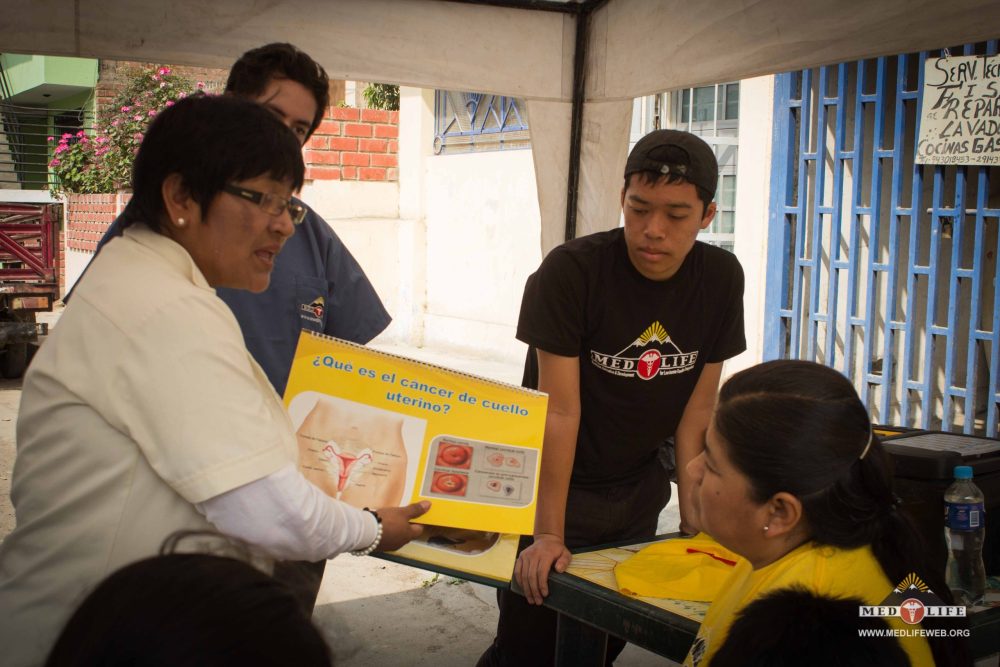
Health education is one of the most effective tools for preventing disease and improving overall well-being, especially in underserved communities. By providing individuals with the knowledge and skills to take control of their health, we can break cycles of preventable illness and build healthier, stronger communities. At MEDLIFE, we believe that health education does more than simply providing information, it empowers communities to make informed decisions, fostering sustainable, long-term health improvements.
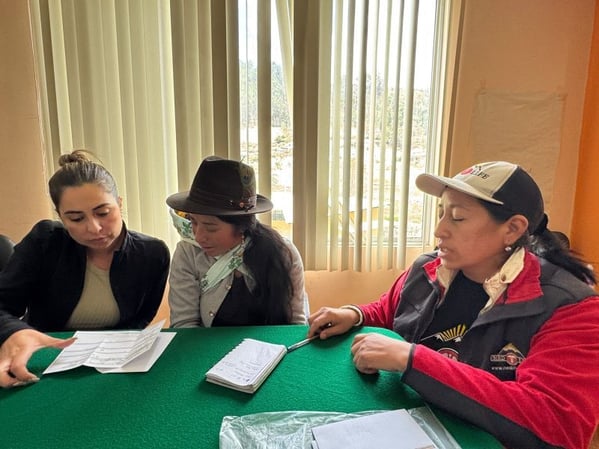
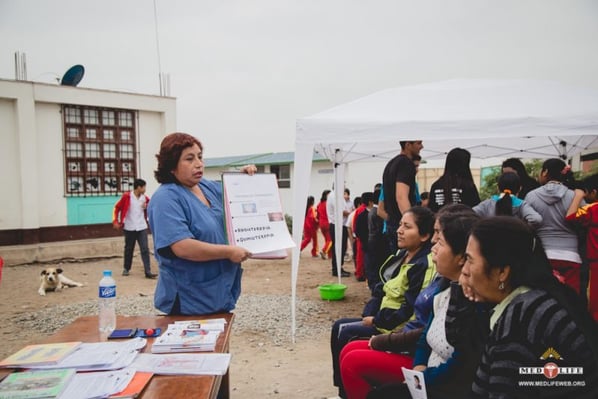
In our recent workshop for women's health in the Columbe - Colta region of Ecuador, our staff showcased how educating local women leaders about the importance of preventative healthcare, such as the Pap smear, can have a life-changing effect on people's lives. By sharing critical information about the test, its role in detecting cervical cancer early, and how often women need a Pap smear, we were able to increase awareness and encourage women to prioritize their health. This workshop was a prime example of how health education can directly impact disease prevention by equipping individuals with the knowledge to act before conditions become critical.
The Power of Knowledge
Health education plays a critical role in preventing the spread of infectious diseases, managing chronic conditions, and promoting healthy behaviors. In communities with limited access to healthcare resources, many individuals may not know how to recognize early warning signs of illness or how to protect themselves from preventable diseases. By providing basic health education on topics like sanitation, nutrition, and personal hygiene, we empower people to make healthier choices in their daily lives.
For example, in rural communities, where clean water and proper sanitation may be limited, educating people on the importance of handwashing, safe food preparation, and water purification can significantly reduce the risk of waterborne diseases. This knowledge encourages individuals to protect themselves and their families from common diseases like diarrhea, cholera, and dysentery.
Early Detection Saves Lives
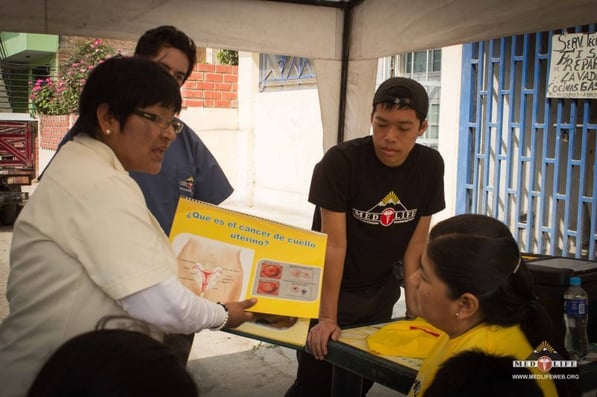
Another critical aspect of health education is teaching people how to identify potential health problems early on. In underserved communities, lack of access to regular healthcare can result in people only seeking medical help when symptoms become severe. However, through education, individuals can learn the importance of early screenings, regular check-ups, and self-care practices that detect diseases like cancer, diabetes, and hypertension in their early stages, before they become life-threatening.
Uplifting Communities Through Health Education
The long-term benefits of health education extend far beyond individual well-being. Educating community leaders has a ripple effect, where those who are informed can pass on valuable health knowledge to others in their communities. In the case of the women in Columbe - Colta, these leaders are now in a better position to share their newfound knowledge about Pap smears and other preventative women's health measures, helping to ensure that other women in their communities benefit from these life-saving practices.
Health education is a powerful tool for disease prevention and can be the foundation for building resilient, self-sufficient communities. By investing in education, we help communities take ownership of their health, leading to better health outcomes, improved quality of life, and a reduction in preventable diseases.
Interested in how you can help uplift medically underserved communities in Latin America and Africa? Consider joining a MEDLIFE Service Learning Trip. To learn more, fill out the interest form below, or download our free brochure!