
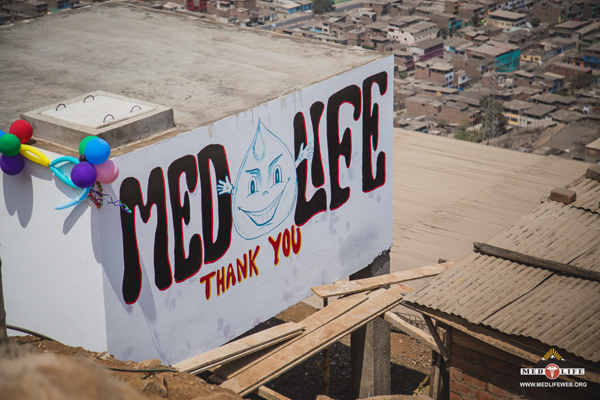
Access to basic resources is essential for maintaining good health, and access to clean water is one of the most critical factors in this. In many underserved communities around the world, the lack of safe drinking water directly impacts health outcomes, increasing the risk of disease and limiting opportunities for long-term well-being and ending the cycle of poverty.
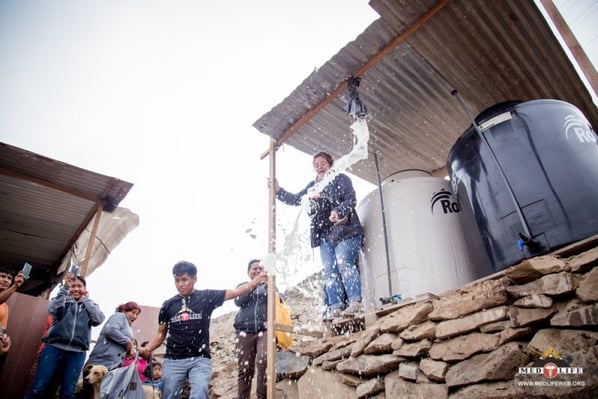
The Global Water Crisis
Despite progress in recent years, millions of people still face daily challenges when it comes to safe water.
But just how many people lack access to clean water in the world today? According to global estimates, billions of individuals around the world either lack safely managed drinking water or rely on sources that are unsafe or unreliable.
This reality highlights the scale of the issue. Without consistent access to clean water, people are significantly more vulnerable to waterborne diseases, poor sanitation, and long-term health complications. The burden often falls hardest on children and families in rural or underserved areas, like the ones MEDLIFE works in in countries like Peru, Costa Rica, and Tanzania.
The Direct Impact on Health
Water plays a vital role in nearly every aspect of health. When water sources are contaminated, they can carry harmful bacteria, parasites, and viruses that lead to illnesses such as diarrhea, cholera, and other very preventable diseases.
For many communities, the lack of access to clean water also affects hygiene practices. Without safe water for handwashing, cooking, and cleaning, the spread of disease becomes much more likely. This not only impacts individual health but also places additional strain on local healthcare systems.
In addition, repeated exposure to unsafe water can contribute to chronic health issues, particularly in children. Poor water quality is closely linked to malnutrition, weakened immune systems, and reduced overall quality of life.
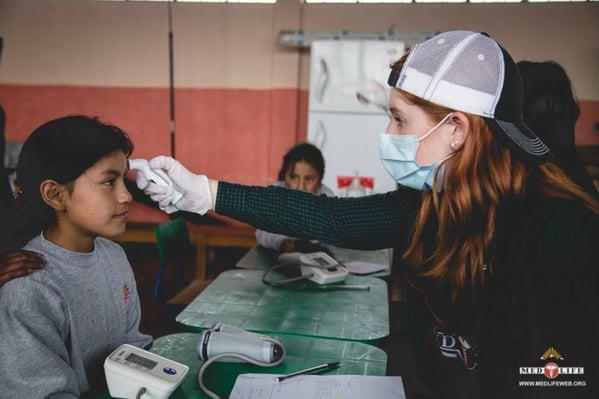
The Broader Impact on Underserved Communities
The effects of limited water access extend beyond physical health. When families must spend hours each day collecting water, it reduces time for education, work, and other essential activities. This creates a cycle where limited resources continue to affect both health and economic stability.
Improving water infrastructure is a key step in breaking this cycle. Efforts to provide access to clean water can transform communities by reducing disease, improving sanitation, and allowing individuals to focus on education and economic opportunities.
MEDLIFE’s Approach to Clean Water and Health
At MEDLIFE, addressing the root causes of health disparities is a central focus. By working alongside communities and local professionals, MEDLIFE supports projects that improve water access, strengthen infrastructure, and promote long-term health outcomes.
These initiatives go beyond short-term solutions. By investing in sustainable systems, communities are better equipped to maintain safe water sources and improve overall well-being for years to come.
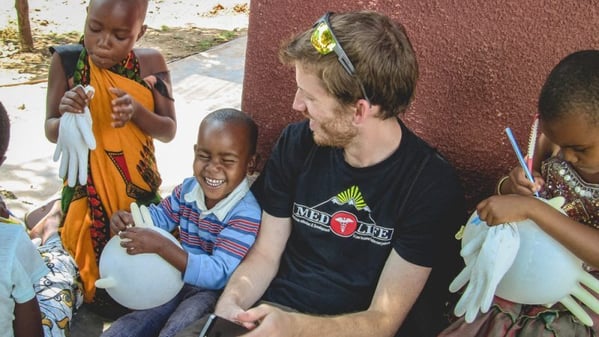
Building Healthier Futures
The connection between water and health is evident. Without safe water, preventing illness becomes significantly more difficult, and maintaining good health is an ongoing challenge. Expanding access to clean water is one of the most effective ways to improve health outcomes and create lasting change.
By addressing this essential need, it becomes possible to build stronger, healthier communities where individuals have the resources they need to thrive.
To learn how you can help create easier access to clean water in underserved areas across Latin America and Africa to aid in long-term health outcomes, consider joining a MEDLIFE Service Learning Trip! To get started today, fill out the interest form below or download our free brochure.