
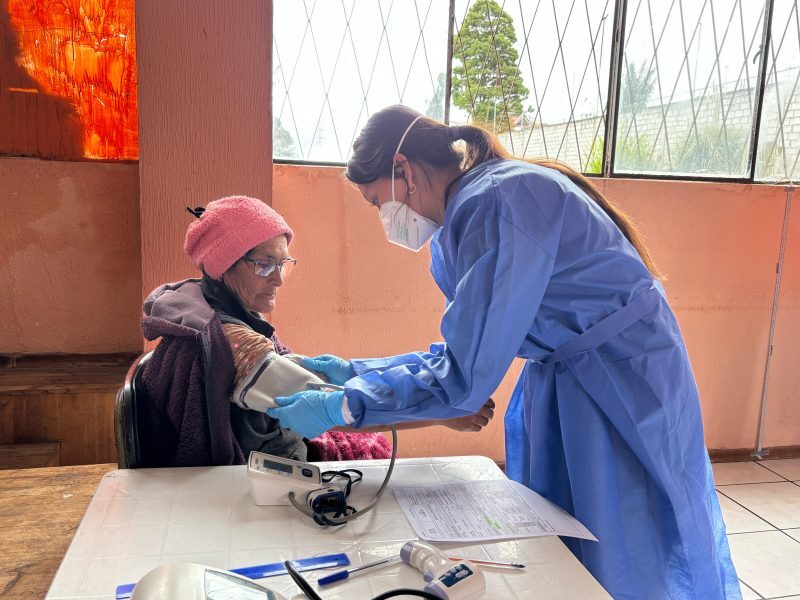
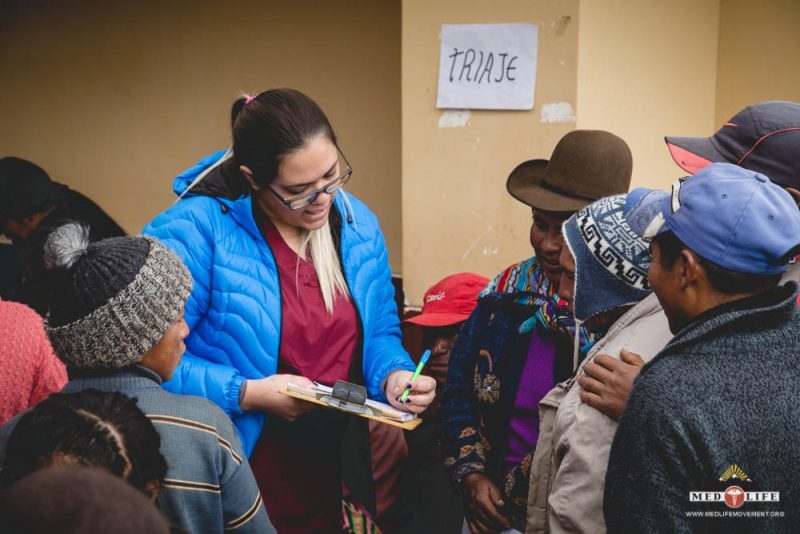
On a Service Learning Trip in Peru, a group of students gathers around a local physician as she explains a patient’s treatment plan. The conversation is not rushed. It includes medical history, living conditions, and what follow-up care will realistically look like in the coming months. This moment reflects effective altruism in practice, grounded in context rather than assumptions.
So, what is effective altruism when applied to global health and global development? It is not only about doing the most good. It is about doing it in a way that is informed, collaborative, and sustainable over time.
Effective Altruism Starts with Community Input and Local Collaboration
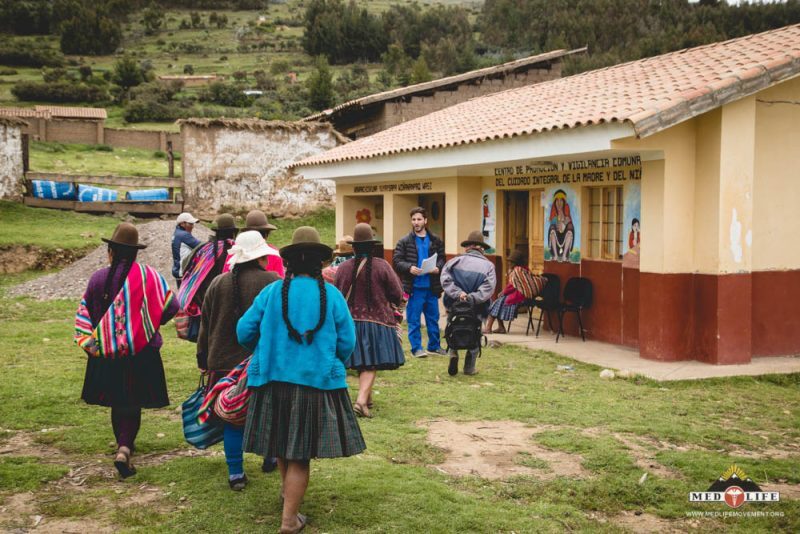
The first principle of effective altruism is listening to the people most affected. Without community input, even well-intentioned projects can miss the mark.
At MEDLIFE, local leaders guide every initiative. Community presidents identify priorities. Local doctors and nurses shape healthcare delivery. Students and international supporters step into a system that already exists.
You can see how collaboration shapes outcomes in this story about health workshops in Ecuador.
This approach ensures that solutions are relevant and culturally informed, rather than imposed from the outside.
Cause Prioritization in Effective Altruism and Global Development
Resources are always limited. Effective altruism requires careful decisions about where to focus time, funding, and effort.
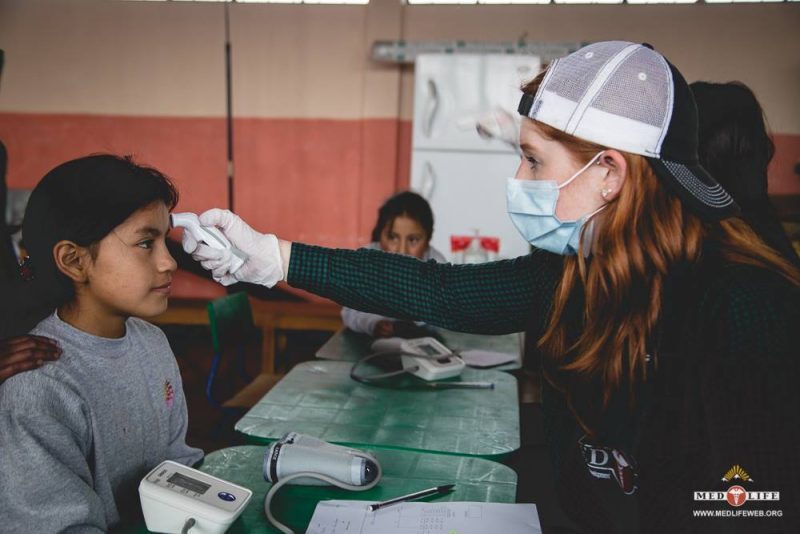
In MEDLIFE communities, this often means prioritizing preventative care. Screenings for conditions like hypertension or diabetes can identify risks early and connect patients to long term treatment.
It also means addressing root causes. Infrastructure projects, education programs, and healthcare access are all connected. You can explore this connection further in this article on staircase development in Peru.
By focusing on high-impact areas, effective altruism supports outcomes that extend beyond immediate results.
Sustainability as a Core Principle of Effective Altruism
Short-term interventions rarely create lasting change. Sustainability is essential.
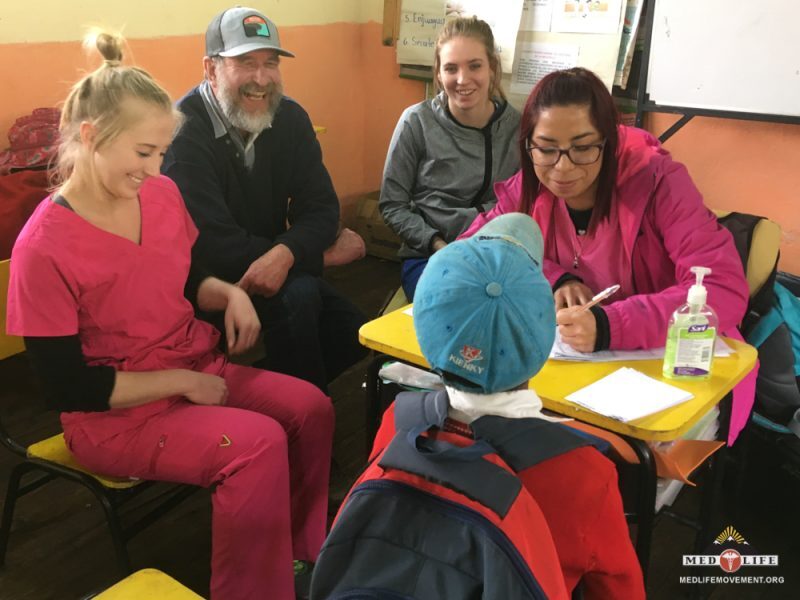
MEDLIFE’s model emphasizes follow-up care, long-term partnerships, and integration with local systems. Patients are not treated once and forgotten. They are connected to ongoing care through local clinics.
Programs evolve based on community feedback and measurable outcomes. This ensures that each initiative continues to provide value over time.
You can read more about long-term impact through this volunteer perspective in a MEDLIFE testimonial.
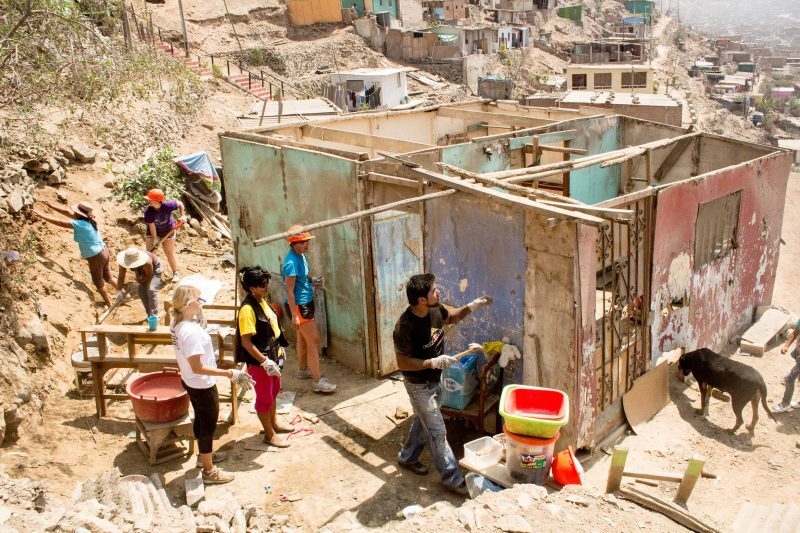
Sustainability also extends to development projects. The 50–50 model ensures shared responsibility and long-term maintenance.
Impartiality in Effective Altruism
Another key principle is impartiality. Effective altruism encourages us to consider all lives equally and focus on where help is most needed.
In practice, this means working in underserved communities that face systemic barriers to healthcare and development. It also means ensuring that programs are accessible and inclusive.
For students, this can shift perspectives. Instead of focusing on where they want to go, they begin to consider where their presence can contribute meaningfully within an existing system.
Resources like this guide on making a gap year meaningful highlight how thoughtful engagement can align with these principles.
Continuous Improvement in Effective Altruism
Effective altruism is not static. It requires ongoing evaluation and a willingness to adapt.
MEDLIFE continuously refines its programs based on data, feedback, and lessons learned in the field. This includes improving healthcare delivery, expanding education initiatives, and refining development projects.
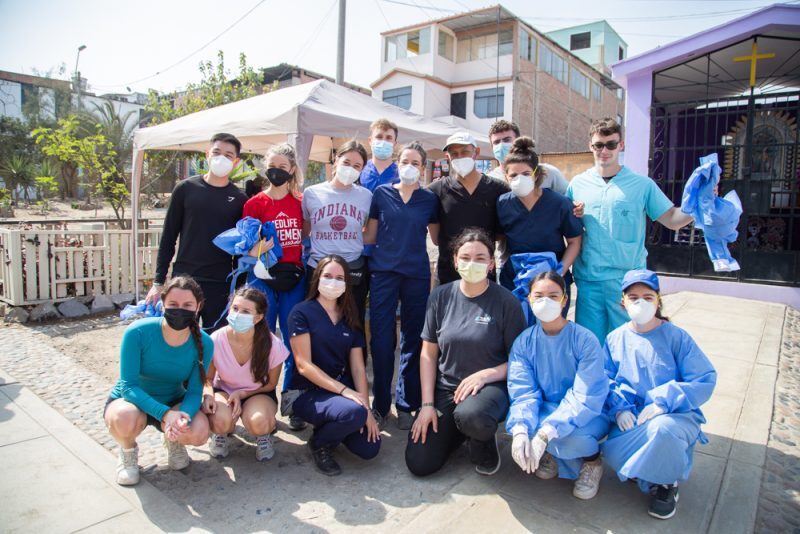
Students witness this process firsthand. They see how reflection and iteration lead to stronger outcomes over time.
This commitment to improvement ensures that efforts remain effective and responsive to changing needs.
A Thoughtful Approach to Doing Good
Effective altruism offers a framework for making a meaningful impact in global health and development. It emphasizes thoughtful action, collaboration, and long-term commitment.
For students, it provides a pathway to gain hands-on experience while learning from local experts. For donors, it offers confidence that contributions support sustainable and ethical initiatives.
MEDLIFE - Transformative Travel Experiences
Start your journey by downloading our brochure. You can also directly assist communities in need by becoming a monthly donor through MEDLIFE’s Moving Mountains program.