
As interest in global health and international service continues to grow, more students are searching for truly ethical volunteer abroad programs that create meaningful impact without harming communities. It's important to keep in mind that not every organization prioritizes sustainability or community well-being. Some volunteer programs are built more around participant experiences rather than actual long-term impact on the communities being served.
If you are considering volunteering abroad in 2026, taking time to properly vet programs is essential. Here’s a practical guide to help you identify organizations that prioritize ethics, sustainability, and community partnership over performative voluntourism.
Step 1: Look for Community-Led Projects
The first thing to investigate is who actually decides what projects you'll be working on.
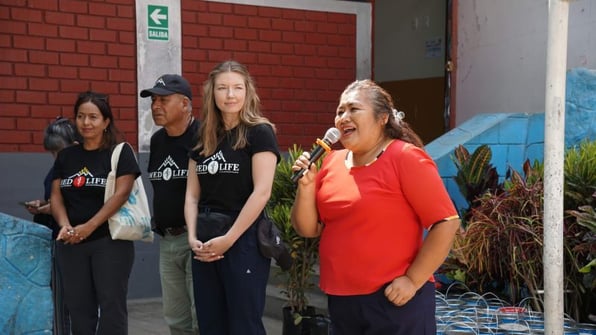
Truly ethical volunteer abroad programs work alongside local leaders, healthcare professionals, and residents of the community to determine what the local area needs most. Projects should be community-designed, not created solely by outside organizations.
Ask questions like:
- Who identifies the community’s priorities?
- Are local leaders involved in decision-making?
- Does the organization maintain year-round relationships with the community?
Programs rooted in genuine local community partnerships are far more likely to create sustainable outcomes.
Step 2: search for Long-Term Impact
One of the clearest differences between ethical programs and surface-level voluntourism is what happens after volunteers leave.
Responsible organizations should focus on continuity of care, not surface level fixes. Instead of relying on one-time interventions, they should invest in systems and projects that continue benefiting communities over time.
Look for proof of:
- ongoing healthcare follow-up systems
- repeat partnerships with the same communities
- infrastructure projects designed for sustainability
- educational initiatives with measurable long-term goals
Programs should be able to clearly explain how they measure impact beyond the volunteer experience itself.
Step 3: Clear Volunteer Roles
A major red flag is when untrained participants are asked to perform work they are not qualified to do.
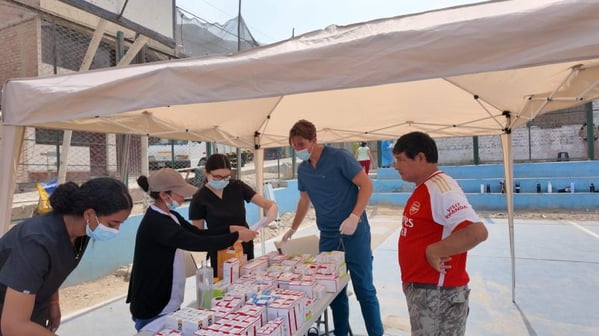
Ethical organizations should place students in supportive, supervised roles that match their skill level and training. This is especially important in healthcare settings.
Ask:
- Are licensed professionals overseeing all clinical work?
- What are volunteers actually allowed to do?
- Are volunteers replacing local workers?
Strong programs focus on education, cultural exchange, and support rather than placing volunteers in inappropriate leadership roles.
Step 4: Review How Communities Are Represented
Marketing can reveal a lot about an organization’s ethics.
Some volunteer organizations rely heavily on imagery that paints community members as victims or emotional storytelling that strips communities of dignity. Ethical organizations should always approach storytelling with respect, consent, and nuance.
Instead of portraying communities as helpless, responsible organizations highlight resilience, partnership, and collaboration.
This is an important part of responsible volunteering, especially in a social media-driven world where volunteer travel is often marketed for personal branding rather than sustainable impact.
Step 5: Ask About Sustainability
Sustainability should be built into every aspect of the program.
Ask organizations:
- How are projects maintained after volunteers leave?
- What role do local professionals play?
- How long has the organization worked in the community?
- Are projects designed to strengthen existing systems?
The most ethical volunteer abroad programs support communities in ways that reduce dependency rather than increase it.
Step 6: Look Beyond the Marketing
Many organizations use similar language online, which is why due diligence matters. Look for evidence rather than promises.
Strong proof signals include:
- long-term community partnerships
- transparent project outcomes
- patient follow-up systems
- local leadership structures
- clear and thorough volunteer training and supervision
Organizations that openly discuss ethics, limitations, and sustainability tend to be far more trustworthy than those focused solely on surface-level, photo-op experiences.
Choosing the right program takes research, but it's worth it. Ethical volunteer experiences should prioritize communities first while creating meaningful educational opportunities for their participants.
MEDLIFE's Service Learning Trips are built upon these ethics and practices to ensure our work in sustainable, culturally appropriate, and maintains dignity of those we serve. To learn how you can join a MEDLIFE trip, fill out the interest form below or download our brochure to get started today!