
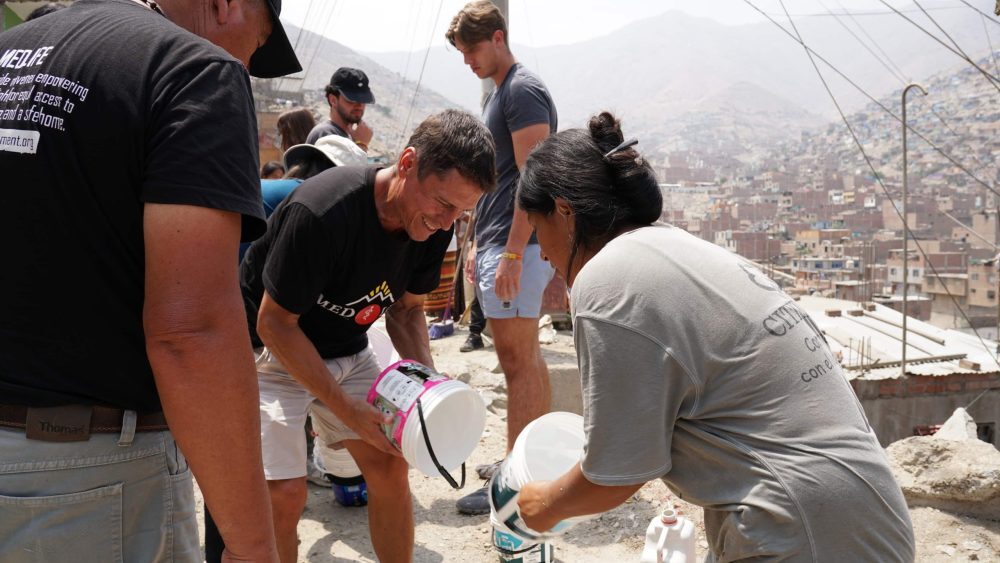
As more and more people are seeking meaningful ways to interact with and uplift underserved communities abroad, the demand for ethical and sustainable Service Learning Trips continues to grow. But planning a trip that genuinely benefits communities requires more than simply choosing a destination and signing up for volunteer work. The best programs should always prioritize long-term impact, local leadership, and responsible engagement within the communities being served.
If you are considering planning a Service Learning Trip abroad in 2026, here are the most important things to look for when evaluating a program.
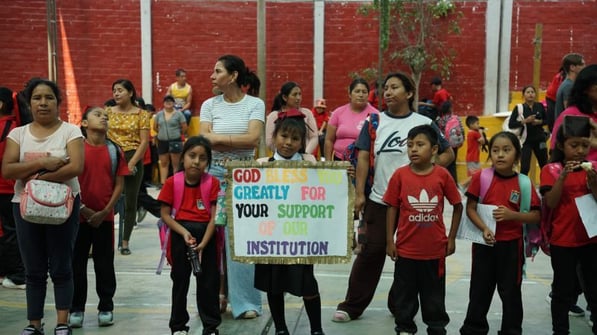
Choose Programs Led by Community Needs
One of the biggest misconceptions about volunteer travel is that the organization should decide what projects should be done. Ethical programs work differently.
Strong service learning programs should always collaborate directly with local leaders, healthcare professionals, and residents of the area to identify priorities before volunteers arrive. This ensures projects are designed around real, immediate needs rather than assumptions.
For example, one community may prioritize health education outreach while another may need infrastructure improvements like staircases, sanitation systems, or greenhouses. A responsible organization listens to and adapts to the priorities identified by the community itself.
This is especially important in any low-income community, where outside interventions can unintentionally create dependency if projects are not community-led.
Prioritize Continuity of Care
One-time volunteer efforts without follow-up can create serious ethical concerns. Sustainable Service Learning Trips should involve systems that can continue supporting communities after volunteers leave.
In global health programs, continuity of care matters enormously. Ethical organizations work alongside local healthcare providers to ensure patients receive referrals, follow-up treatment, diagnostics, and long-term support when needed, especially in areas where access to medical facilities is limited.
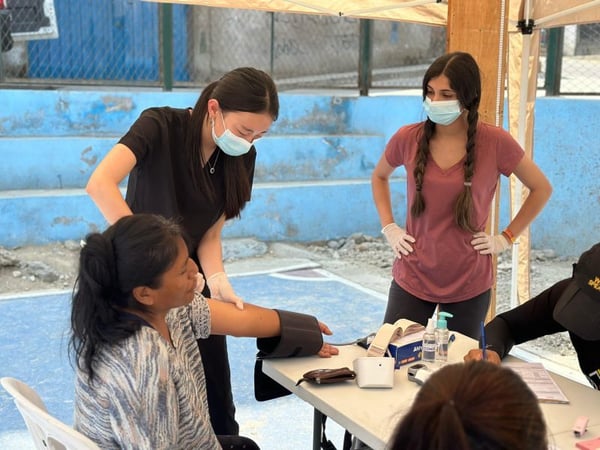
Students and volunteers should also work within clearly defined support roles rather than replacing trained professionals. Programs that emphasize observation, education, logistics, and supervised support create safer and more sustainable outcomes for everyone involved.
When evaluating a Service Learning Trip, always ask:
- Does the organization maintain year-round partnerships?
- Are local professionals leading the work?
- What happens after the trip ends?
The answers reveal whether the program is designed for impact or simply for short-term volunteer experiences.
Look for Ethical Storytelling Practices
Another important factor in finding ethical travel programs is how communities are represented.
Unfortunately, some volunteer organizations use marketing that turns people’s hardships into promotional content that paints them as victims of their circumstances. Ethical programs always approach storytelling with dignity, consent, and respect.
Photos and stories should highlight resilience, collaboration, and partnership rather than portraying communities as helpless. Volunteers should be encouraged to learn first, listen carefully, and avoid treating communities as “projects” for personal growth.
Looking out for responsible storytelling is a major part of avoiding exploitative programs that promote "voluntourism" over ethical service.
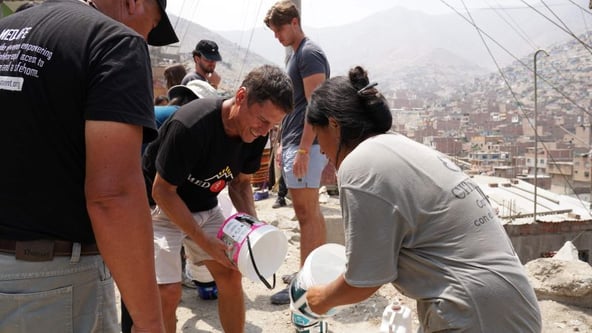
Focus on Learning, Not Exploitation
The strongest service learning experiences are educational. Students should leave their experience abroad with a deeper understanding of:
- the social determinants of health
- healthcare disparities
- cultural humility
- sustainable development
- systemic inequality
The goal is not to “fix” communities in a week. The goal is to learn how long-term partnerships, local expertise, and sustainable systems create meaningful change over time.
Programs that combine reflection, education, and cultural immersion tend to create the most responsible experiences for both volunteers and communities.
Look for Long-Term Impact
Ultimately, the best Service Learning Trips are the ones where communities continue benefiting long after volunteers leave. Sustainable programs prioritize continuity, local leadership, and projects that strengthen existing systems rather than replacing them.
As you plan your experience abroad, look beyond marketing photos and ask deeper questions about impact, ethics, and sustainability. A well-designed trip should not only change your perspective, but also contribute to long-term community goals in a responsible and respectful way. If you can, meet with a member of the program's staff and ask questions about impact, continuity of care, community collaboration, and any other concerns you may have. A truly ethical service learning program should always exercise full transparency with prospective participants.
If you are interested in ethical service learning programs in Latin America or Africa, consider joining a MEDLIFE Service Learning Trip. To get started today, fill out the interest form below or download our brochure and learn more about our programs!