

Organizing an international trip for an entire student group or organization can feel deeply overwhelming at first. Between coordinating schedules, managing communication, selecting a destination, and preparing participants, there are a lot of moving parts involved. But having a guide on how to properly book a service learning trip can make the process go much smoother and create a more impactful experience for everyone involved. Strong planning is what turns a trip from a simple travel experience into a well-organized educational program that benefits both students and the communities they will be serving.
Start Planning Earlier Than You Think
One of the biggest challenges student and faculty face when planning a service-learning trip is timing. International trips require coordination between students, universities, parents, and program providers, so beginning the process as early as possible is vital.
Many college organizations begin planning six months to a year before departure. Early preparation gives students more flexibility when selecting travel dates, organizing fundraising efforts, recruiting participants, and securing university approvals. It also allows students more time to prepare financially, obtain passports, complete medical requirements, and feel confident about traveling internationally. The earlier the process starts, the less stressful the experience usually becomes for everyone involved.
Choose the Right Program Provider
A major part of learning how to book a service-learning trip is evaluating organizations carefully before committing to a program. Not all providers operate with the same standards. Student leaders should look for organizations that prioritize ethical community engagement, strong logistical support, clear communication, and long-term partnerships within the communities they work alongside.
Responsible organizations should be transparent about volunteer roles, accommodations, transportation, safety protocols, and educational structure. They should also explain how projects continue creating impact after volunteers leave. Programs built around sustainability and community leadership tend to create much stronger experiences than programs focused mainly on short-term volunteer activities.

Keep Communication Organized
Strong communication is one of the most important parts of successful group volunteer travel planning.
Once students begin signing up, organizers should create systems that help everyone stay informed throughout the planning process. Consistent communication about deadlines, travel requirements, fundraising timelines, and preparation expectations can prevent confusion later.
Student leaders often underestimate how much coordination is involved in organizing international travel for large groups. Clear communication helps participants feel more prepared and creates a smoother experience overall.
It is also important to establish expectations around professionalism, teamwork, cultural respect, and participation before departure.
Prepare Beyond Flights and Hotels
Many students assume the hardest part of planning a trip is booking flights and accommodations, but there are many additional details involved in the overall service trip booking process.
Student leaders should work closely with travel providers to ensure participants understand health requirements, emergency procedures, travel insurance, cultural preparation, and safety expectations before departure. Pre-departure education is especially valuable because it helps students better understand the communities they will visit and the purpose behind the projects they will participate in. Without cultural context, the purpose of the projects participants will be working on will go over their heads.
The strongest programs combine logistics with meaningful education and cultural immersion.
Prioritize Safety and Risk Management
Safety should always remain a top priority when organizing international group programs.
Responsible travel organizations should have clear emergency communication systems, vetted accommodations, organized transportation, and experienced in-country staff available throughout the experience.
Student leaders and faculty should also ensure participants understand how to stay safe while traveling, communicate effectively during emergencies, and respect local cultural expectations. Programs with strong support systems often create far more positive experiences for both students and organizers.
Focus on Long-Term Impact
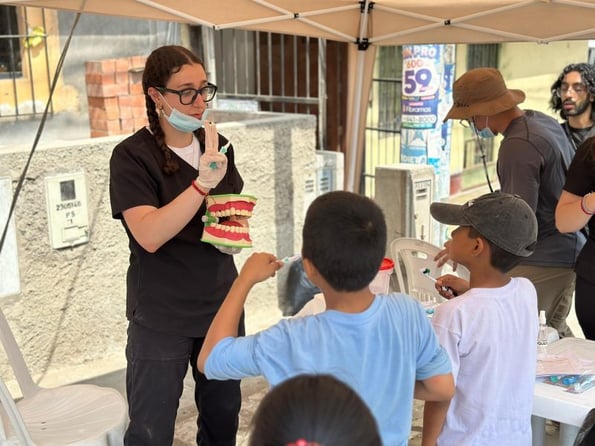
The most meaningful trips are not simply about travel. They are about learning how global health, poverty, infrastructure, education, and culture all connect in underserved communities. Before booking a trip with an organization, ensure that their projects are designed with long-term impact at the forefront. It's also deeply important that there is an element of education and reflection for the participants about what they witness during their work.
Students should return home with a deeper understanding of sustainable development, cultural humility, and long-term community partnership.
MEDLIFE's trips cover all of these aspects and more. To learn how to book a service learning trip with MEDLIFE, fill out the interest form below or download our free brochure today!