
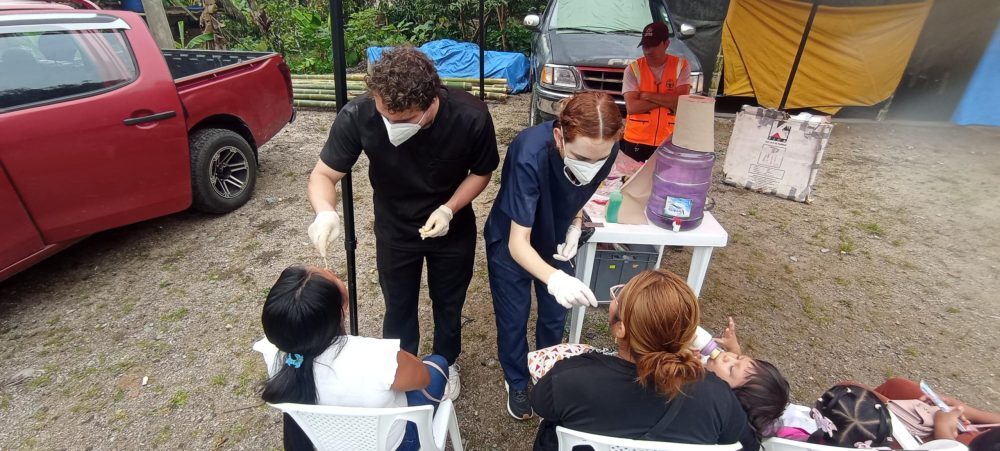
Understanding different cultures is now more important than ever and can only serve you positively in whatever direction you decide to go in life. One of the most effective ways to develop this kind of global perspective is through experiential learning abroad, where students can step outside the classroom and interact directly with new environments, communities, and ways of life.
Go Beyond the Classroom
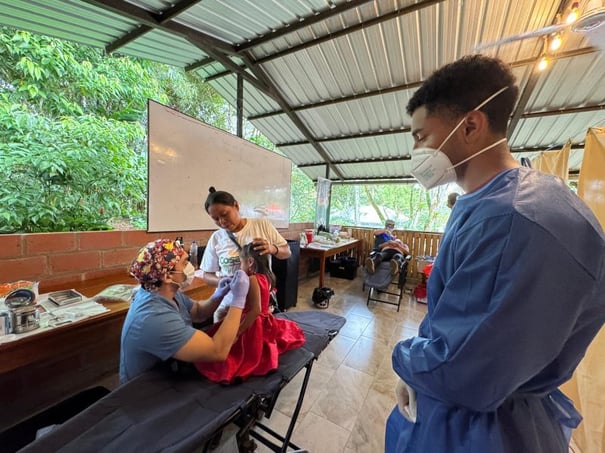
Traditional education provides important foundational knowledge, but it often lacks exposure to real-world context. Experiential learning abroad allows students to apply what they’ve learned in meaningful, hands-on ways. Instead of reading about global issues, they witness them firsthand and gain a deeper understanding of how culture, environment, and social systems shape people’s lives.
This type of learning encourages students to think critically and reflect on their own perspectives, making education more dynamic and impactful.
Immersion Creates Understanding
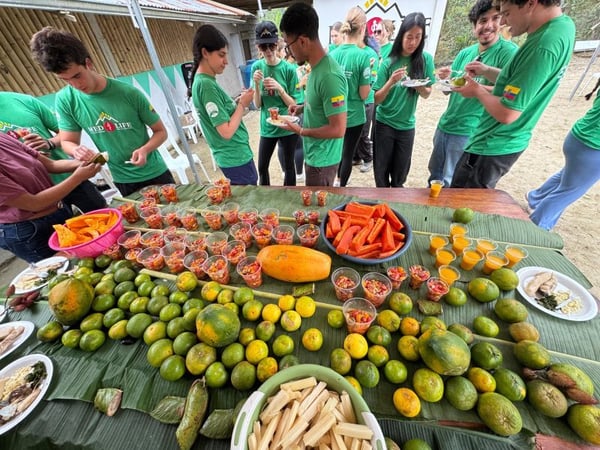
Cultural awareness isn’t something that can be taught through lectures alone, it’s something that develops through experience. When students travel abroad, they are immersed into different customs, languages, and traditions outside of their home country.
From trying local foods to participating in service projects, these experiences build a deeper appreciation for cultural differences and ways of life. Students begin to recognize the values and perspectives that shape communities, helping them move beyond stereotypes and assumptions.
Build Empathy Through Connection
One of the most powerful aspects of experiential learning abroad is the opportunity to connect with people from different backgrounds. These interactions encourage empathy, as students begin to understand challenges and experiences from perspectives other than their own.
Whether it’s through conversations, shared activities, or collaborative projects, these connections humanize global issues. Students come to see that while cultures may differ, many values, such as family, community, and resilience, are shared across the world.
Develop Adaptability and Open-Mindedness
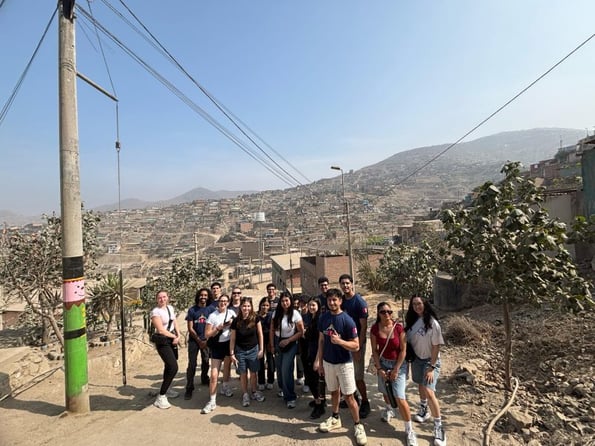
Traveling to a new country often requires students to step outside their comfort zones. Navigating unfamiliar environments, communicating across language barriers, and adapting to new norms all contribute to personal growth.
These experiences help students become more flexible, open-minded, and confident in their ability to handle new situations. As a result, they are better prepared to engage with diverse communities both at home and abroad.
The benefits of experiential learning don’t end when the trip is over. Students return home with a broader worldview, stronger communication skills, and a greater sense of cultural awareness.
They are more likely to approach differences with curiosity rather than judgment and to seek out opportunities to continue learning from others. This mindset is essential in today’s global society, where collaboration across cultures is increasingly common.
Why It Matters
Cultural awareness is not just a personal benefit; it’s a critical skill for future leaders, healthcare professionals, and global citizens. Experiential learning abroad provides a unique opportunity to develop this awareness in a way that is both meaningful and lasting.
By engaging directly with the world, students gain more than just knowledge; they gain perspective. And that perspective has the power to shape how they think, act, and contribute to the world around them.
Wondering how you can participate in experiential learning abroad? Consider joining a MEDLIFE Service Learning Trip. To learn more, fill out the interest form below or download our free brochure today!