
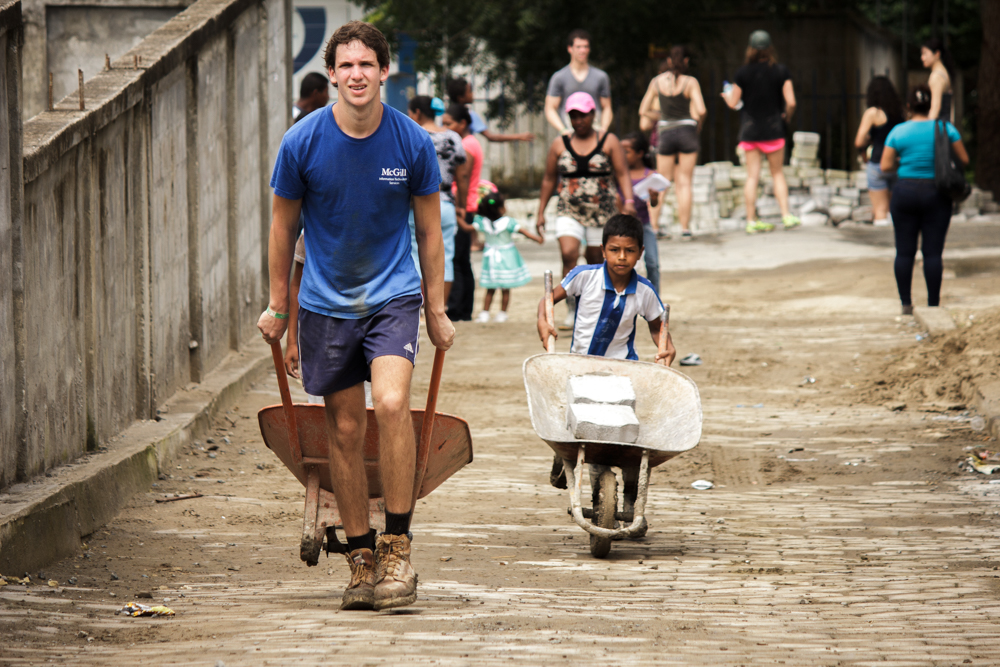
Trying to find the right service-learning trips for high school students can feel overwhelming with so many options available. For students, parents, and educators, the goal is not just to find a trip, but to find one that is safe, meaningful, and will create real impact, not short-term fixes that look good on the outside. Understanding what defines a high-quality program can help ensure the experience is both valuable and responsible for everyone involved.
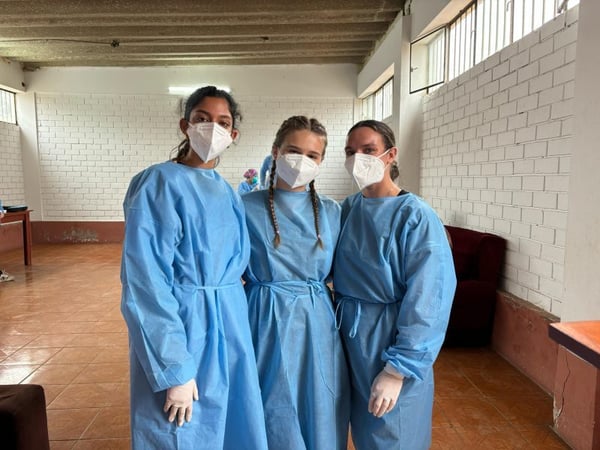
Safety and Supervision Should Come First
A strong program prioritizes student safety at every level. This includes experienced staff, clear emergency protocols, and appropriate supervision ratios. Students should always be guided by trained leaders who understand both the destination and how to support young travelers. It is also important that programs provide structure without limiting independence. The best experiences create a balance where students feel supported while still being encouraged to grow.
Ethical Engagement Matters
Not all student travel programs are designed with a long-term impact on the communities being served in mind. High-quality programs should always heavily focus on ethical engagement, ensuring that activities are aligned with real community needs rather than short-term goals.
This is where the concept of ethical volunteering becomes essential. Students should not be placed in roles they are unqualified for, and their contributions should support ongoing initiatives that are culturally appropriate for the area rather than replace local efforts. Programs that emphasize collaboration with communities tend to create more meaningful and respectful experiences.
Educational Structure and Learning Outcomes
A defining feature of ethical, high-impact service learning trips for high school students is a clear educational framework. These trips should go beyond just participation and include guided reflection, learning objectives, and opportunities to connect experiences back to real-world issues for all participants.
Students and communities benefit most when there is an understanding of the context behind the work they are doing. The root causes behind poverty and lack of access need to be discussed and shared with participants, including context about the work they are doing and the long-term impact it will have. Programs that incorporate discussions, debriefs, and mentorship from local leaders help deepen understanding and turn experiences into lasting knowledge that can be applied in all facets of life.
Long-Term Community Partnerships
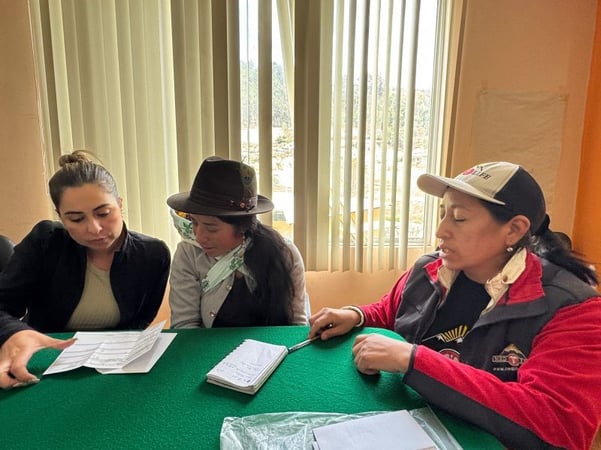
One of the most important indicators of a high-quality program is its commitment to long-term community relationships. Rather than one-time projects, effective outreach should be part of greater, ongoing efforts that the organization continually contributes to.
Organizations that maintain consistent partnerships with communities are better able to create sustainable impact. This ensures that projects continue to benefit residents long after students return home.
When evaluating service learning trips for high school students, look for programs that demonstrate continuity of care. This shows that the work is part of a bigger system designed by the people benefiting from these projects, not just a short-term experience.
Transparency and Accountability
Clear communication is another key factor. Programs should be transparent about where resources go, what students will be doing, and how their presence contributes to the community. This includes outlining what is included in the trip costs, how activities are structured, and what outcomes are expected. Transparency builds trust and allows families and educators to make informed decisions.
Choosing the Right Experience
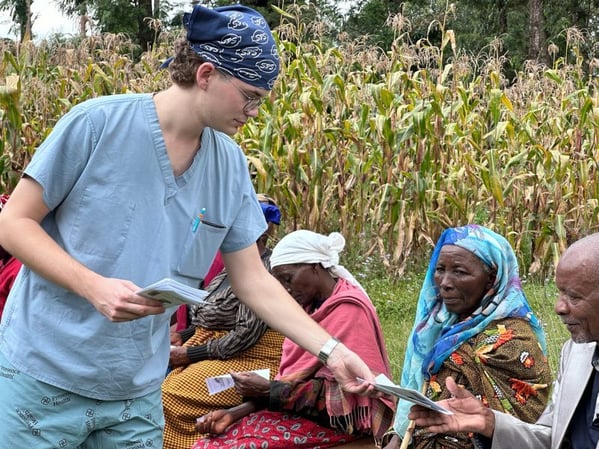
The best trips are those that combine safety, structure, and purpose. They allow students to step outside their comfort zones while still being supported, and they create opportunities for both personal growth and meaningful contribution.
By focusing on these criteria, students, parents, and educators can confidently identify programs that offer more than just travel. The right experience will not only broaden perspectives but also leave a lasting impact on both the student and the community.
To learn how you can organize a student trip with MEDLIFE that gives back to low-income communities across Latin America and Africa, fill out the interest form below or download our free brochure today!