
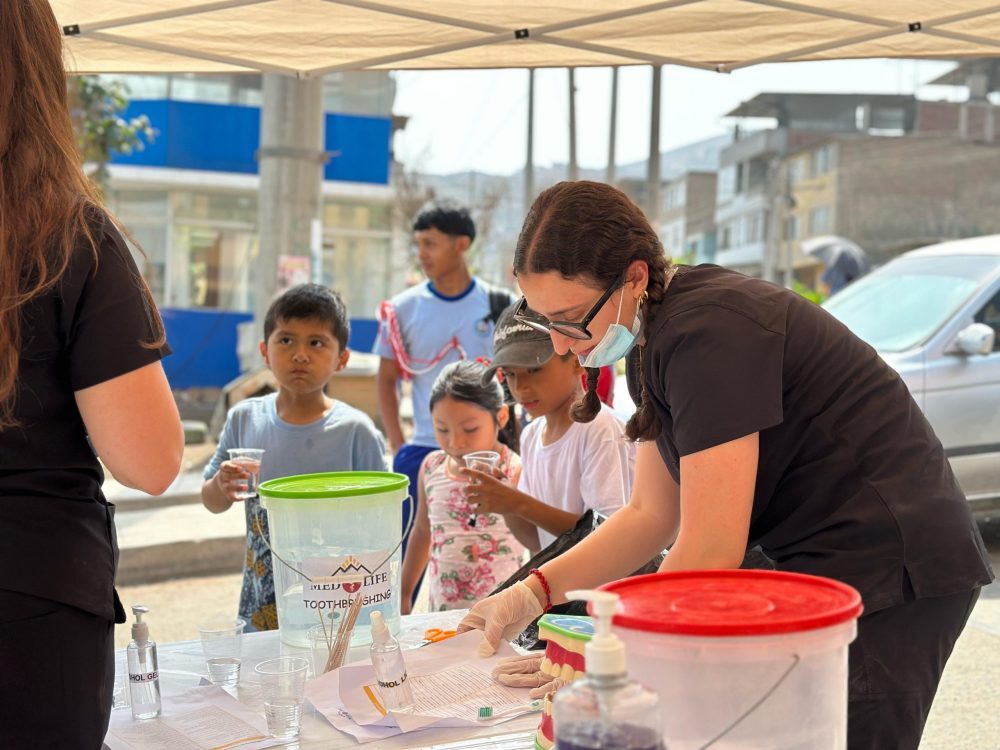
Anyone looking to participate in ethical global health experiences should be asking a very important question before choosing which organization to travel with: which of these programs are actually helping communities in a long-term, sustainable way? The most ethical Service Learning Trips are not built around short-term charity or performative voluntourism. Instead, they heavily revolve around the importance of continuity of care, local leadership, and community-designed solutions that continue creating impact long after foreign participants return home.
At MEDLIFE, sustainability is central within every program model. Rather than operating as a one-time intervention, MEDLIFE works alongside communities through long-term partnerships that combine healthcare, education, and development outreach within underserved communities across Latin America and Africa.
Ethical Service Means Communities Lead the Work
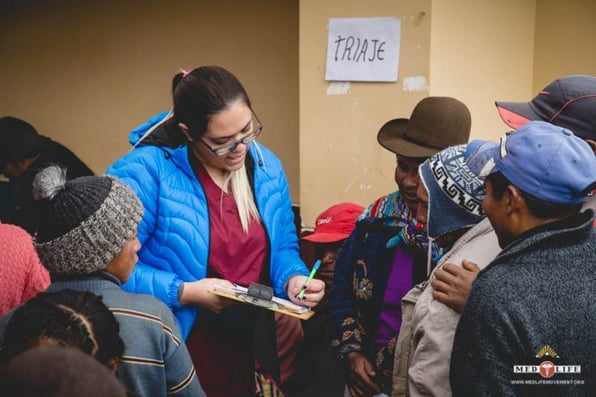
One of the biggest problems with voluntourism is that outside organizations often decide what communities “need” without enlisting the input of local residents. This can lead to "band-aid" fixes that look good on the outside, but end up being difficult for community members to maintain or were simply not necessary in the first place. Truly ethical Service Learning Trips work differently.
MEDLIFE's projects are designed alongside leaders from the communities we work in, local healthcare professionals, and MEDLIFE staff who either have lived in these communities or have worked with them for years. Everyone involved in the creation of these projects deeply understand the realities people face every day. The work SLT participants do depends entirely on the most immediate needs identified by the community itself.
In some communities, infrastructure projects become the priority because unsafe roads or staircases prevent families from safely accessing schools or clinics. In others, greenhouse construction projects help address food insecurity and malnutrition. Some communities may prioritize health education outreach focused on prevention, hygiene, or women’s health.
This model creates stronger long-term community impact because projects are rooted in what communities themselves identify as most urgent.
Continuity of Care Matters More Than One-Time Treatment
One of the clearest differences between ethical global health work and voluntourism is what happens after a clinic ends.
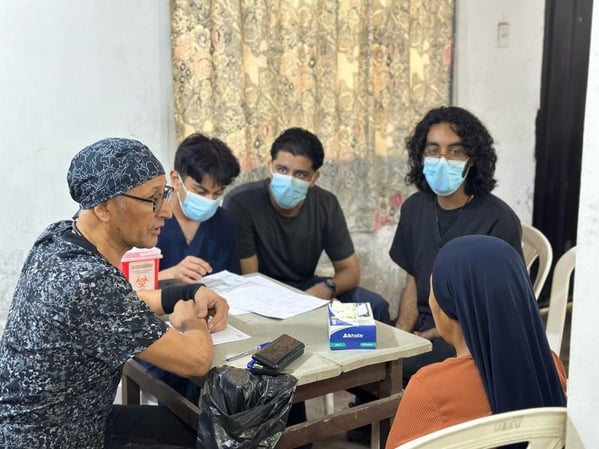
Many short-term volunteer programs provide temporary care without long-term follow-up and ongoing support. MEDLIFE’s patient follow-up program is designed to prevent exactly that.
For example, Margaret, a 27-year-old mother of two from Venezuela, was diagnosed with stage II cervical cancer after seeking care through MEDLIFE. Treatment alone was not enough. Margaret also needed financial and emotional support in order to recover safely and continue supporting her family. MEDLIFE helped coordinate her surgery while also assisting with groceries, rent support, and childcare throughout recovery.
Similarly, Teresa first connected with MEDLIFE after attending a mobile clinic for a routine pap smear. Follow-up testing revealed dangerous early-stage cervical cancer that required urgent intervention. MEDLIFE continued supporting Teresa through specialist appointments, diagnostics, and treatment coordination instead of allowing her care to end after the initial screening.
Stories like these highlight why continuity of care is so vital to patient success. Sustainable healthcare is not about offering temporary treatment and disappearing afterward. It requires long-term systems that continue supporting patients through recovery, referrals, diagnostics, and specialist care, especially when they are living medically underserved areas.
This approach strengthens the sustainability of service projects because communities are not left without support once volunteers leave.
Volunteers Support Local Systems Rather Than Replace Them
Another major ethical concern in global health volunteering is placing students into clinical roles they are not qualified to perform.
MEDLIFE avoids this by ensuring volunteers work in supportive and educational capacities under professional supervision within our mobile clinics and educational projects. Students assist with tasks like patient intake, health education, and clinic logistics while licensed professionals carry-out hands-on patient care.
This protects patients while allowing students to gain meaningful exposure to:
- healthcare disparities
- social determinants of health
- public health systems
- cross-cultural communication
- ethical patient care
Why Ethical Service Learning Should Be The Norm
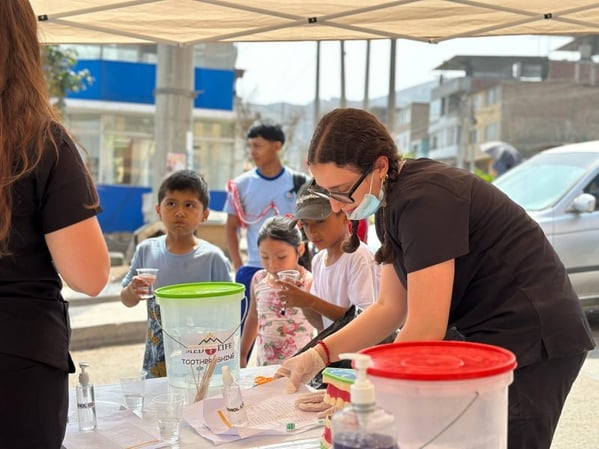
Today, students are becoming increasingly aware of the problems associated with voluntourism. Many want to ensure the programs they join are community-centered and sustainable. MEDLIFE's mission is to connect these forward-thinking individuals with projects that benefit them as much as they benefit the people being uplifted.
To learn how you can assist patients in underserved communities across Latin America and Africa, consider joining a MEDLIFE Service Learning Trip! To get started today, fill out the interest form below, download our free brochure or check out some of our upcoming trips!