
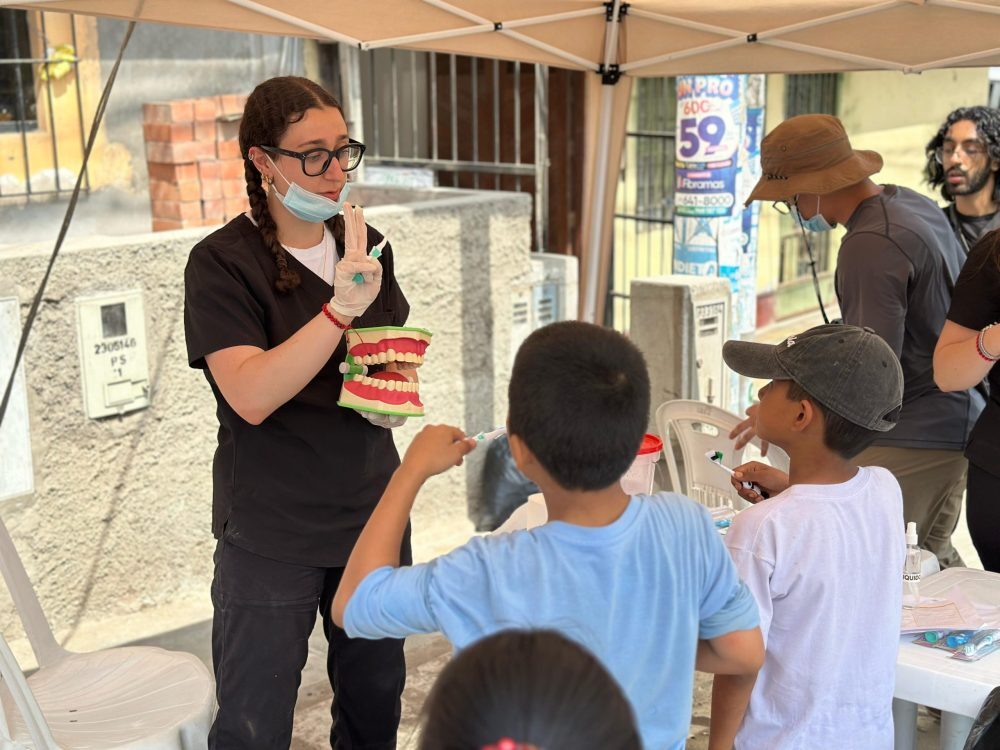
When you're searching for Service Learning Trips, it’s crucial to assess their ethical foundations. A truly ethical service trip prioritizes long-term impact, local leadership, and community-designed projects to ensure the efforts being supported by participants are relevant to the needs of the area. Here’s how to identify the green flags and red flags of any service abroad program to ensure your trip aligns with ethical values.

Green Flags (Signs of an Ethical Service Learning Trip)
1. Local Leadership Drives the Program
Ethical programs are led by the input and guidance of local community members, not outsiders. Local leadership ensures projects meet real, on-the-ground needs and practices are realistic and relevant to the local cultural practices of the people being served.
2. Community-Designed Projects
The best programs focus on community-designed projects. Locals decide what’s needed, ensuring sustainable, top-priority solutions. Community designed projects ensure that projects meet real, on-the-ground needs and can realistically be continued long after the organization and participants have left.
3. Continuous Impact After the Trip
Programs that offer continuity of care show a commitment to long-term support. Look for follow-up programs and ongoing partnerships with communities.
4. Focus on Economic Development
Ethical service trips should always emphasize and aim for economic development in low-income communities, creating sustainable opportunities for growth rather than just short-term aid.
5. Financial Transparency
A good program is always transparent about funding. They should openly share how donations and fees are spent and what costs participants can expect while they are in the country.
6. Cultural Immersion, Not Just Observation
Ethical Service Learning Trips encourage active cultural immersion, allowing participants to learn about the local culture directly with the community instead of just observing.
7. Sustainable Practices
Look for programs that prioritize sustainability, using eco-friendly materials and reducing waste while supporting local environmental initiatives.

Red Flags (Warning Signs of Unethical Voluntourism)
1. Absence of Local Involvement
Programs where local leadership is missing or sidelined should raise concerns. If decisions are made without input from locals, the program may not be entirely sustainable or ethical.
2. Short-Term, One-Off Projects
Programs focused on one-time fixes without follow-up often lack long-term value. Sustainable, community-driven efforts are essential.
3. Lack of Accountability
If a program doesn’t track outcomes openly, doesn’t provide reports, or lacks transparency, it’s a red flag. Ethical programs measure impact and hold themselves accountable.
4. A Focus on Surface-Level Photo-Ops
A lot of programs can fall into the "voluntourism" category. If the focus is on surface level interactions that look good on the surface but don't create a true lasting change, a program may fall under the umbrella of voluntourism.
Choosing an Ethical Service Learning Trip
When evaluating Service Learning Trips, make sure to prioritize programs that emphasize local leadership, sustainability, and community-driven projects. By doing so, you can ensure your trip contributes to long-term, meaningful change and isn’t just a low-impact, feel-good experience.
To learn how you can join a Service Learning Trip with MEDLIFE that gives back to low-income communities across Latin America and Africa, fill out the interest form below or download our free brochure today!